How to Identify an Unknown Caller
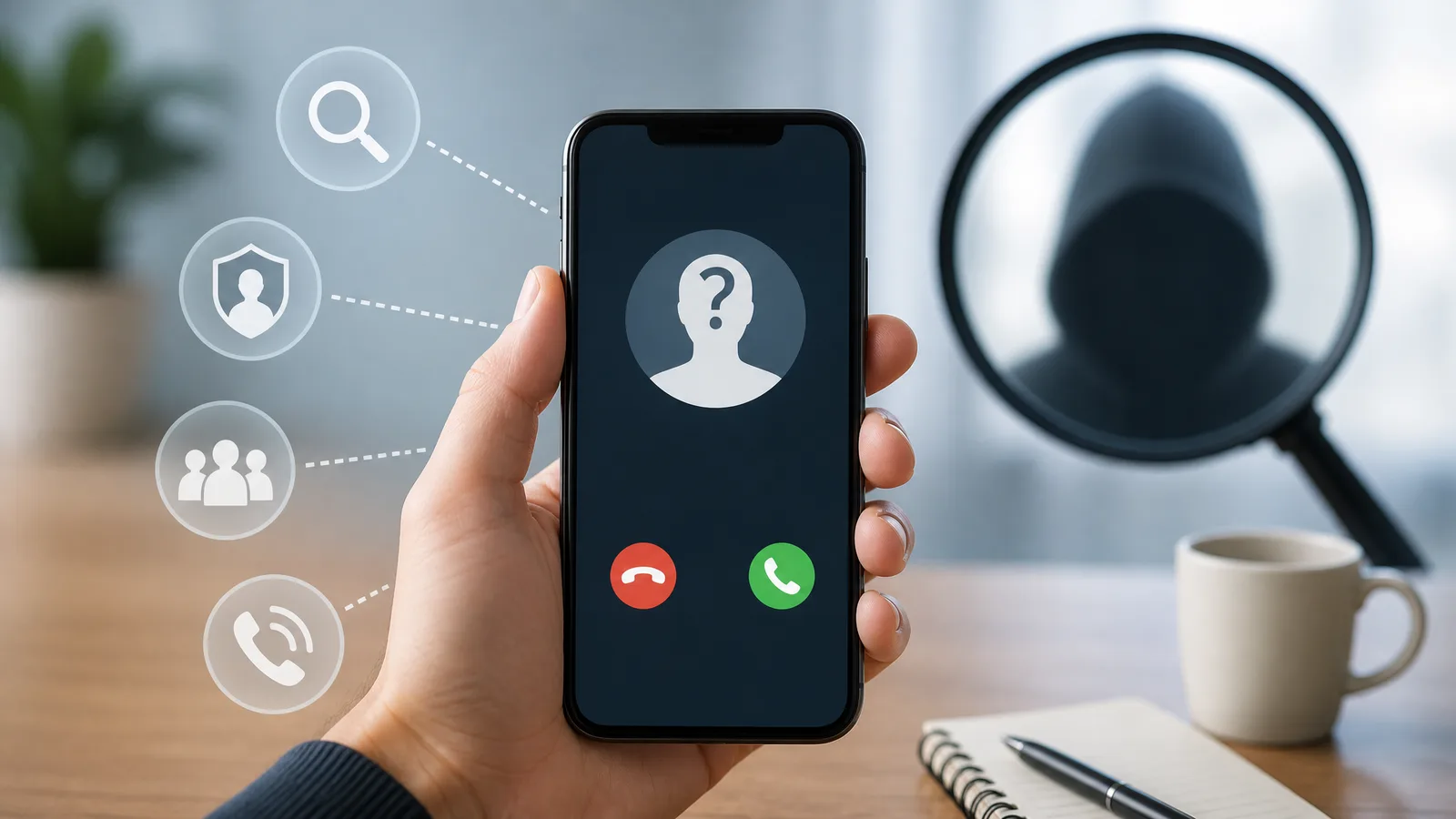
Knowing How to Identify an Unknown Caller can help you decide whether to answer, ignore, block, or report a number. Receiving a call from an unfamiliar phone number can be unsettling, especially with the rise of robocalls, spoofed numbers, and phone scams. The good news is that reverse phone lookup tools, caller ID apps, voicemail clues, and a few safety habits can make the process much easier.
This guide explains practical ways to identify unknown callers, recognize spam calls, protect your privacy, and take the right steps after you confirm who may be calling.
Why Identifying Unknown Callers is Important
Unknown calls are not always dangerous. They may come from a doctor’s office, delivery driver, school, employer, customer, or local business. Still, treating every unfamiliar number with caution is smart because scammers often rely on surprise, urgency, and confusion to get people to respond.
Spam and scam calls have grown because fraudsters can use automated dialing systems, fake caller ID information, and number spoofing to contact thousands of people quickly. A number may look local even when the caller is somewhere else. This makes caller identification more important than simply trusting the area code on your screen.
- Personal safety: Identifying a caller can help you avoid harassment, threats, phishing attempts, and impersonation scams.
- Financial protection: Fraudulent callers may pretend to be banks, government agencies, tech support teams, or debt collectors.
- Business protection: Companies can lose time and money to fake vendor calls, invoice scams, and social engineering attempts.
- Peace of mind: Verifying a number helps you decide whether a missed call deserves a response.
The goal is not to be suspicious of every call. It is to verify before you share information, send money, or call back a number you do not recognize.
Methods to Identify Unknown Callers
There is no single method that works every time, but combining several checks often gives you a clear answer. Start with low-risk methods before returning the call.
Use a reverse phone lookup service
A reverse phone lookup lets you search a phone number to find available details such as the caller’s name, business name, carrier type, location, or spam reports. This is often the quickest way to identify a caller by phone number, especially if the number has been reported by other users.
Reverse lookup results may vary depending on whether the number is a landline, mobile number, VoIP number, or recently changed number. If the information is limited, use other verification steps before making a decision.
Check the area code and location
An area code can provide context, such as the state, region, or city where the number may have originated. However, it should not be treated as proof. Scammers often use spoofed local numbers to make calls appear familiar. If the area code is local but the caller claims to represent a national agency, bank, or company, verify independently through the organization’s official website.
Search the number online
Typing the full phone number into a search engine can reveal business listings, complaint pages, public directories, forum posts, or social media profiles. Try searching the number in quotation marks for more exact results. You can also search variations with and without spaces or dashes.
Look for social media clues
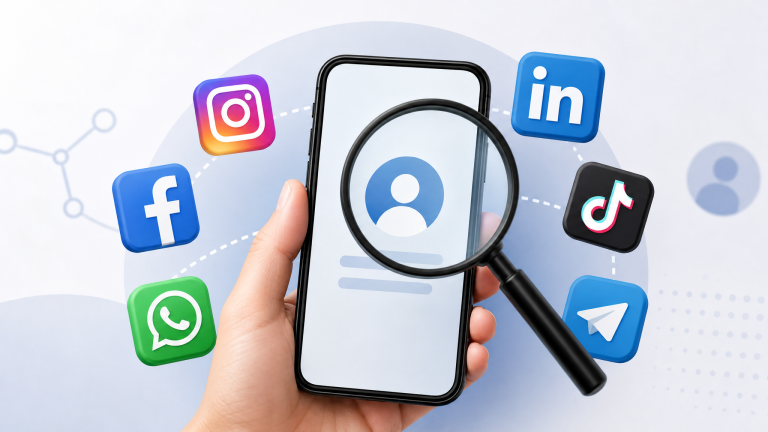
Some people and businesses link phone numbers to public profiles. Searching the number on social platforms may show whether it belongs to a legitimate business, marketplace seller, recruiter, or individual. Avoid messaging the person until you are confident the profile is real.
Let the call go to voicemail
If the call is important, a legitimate caller will usually leave a voicemail with their name, organization, reason for calling, and a callback number. Listen carefully for details, but do not automatically trust them. If the caller claims to be from your bank, insurance provider, or a government office, call back using the number listed on the official website, not necessarily the number left in the voicemail.
Leveraging Technology: Recommended Tools for Caller Identification
Modern caller identification tools can save time by showing caller names, business details, spam warnings, and user reports before you answer. The best option depends on whether you need a one-time lookup, ongoing spam protection, or business-level caller verification.
| Tool Type | Best For | What It Can Help Identify |
|---|---|---|
| Reverse phone lookup services | Checking a specific unknown number | Name, location, carrier type, business details, spam reports |
| Caller ID apps | Real-time caller identification | Known callers, businesses, suspected spam, user-reported numbers |
| Spam detection apps | Blocking robocalls and scam attempts | High-risk numbers, telemarketers, spoofed patterns, robocalls |
| Caller verification services | Businesses and sensitive communications | Verified customer or company identity, fraud risk signals |
Top reverse phone lookup tools
A good reverse phone lookup tool should provide clear results, update its data regularly, and show whether a number has been associated with spam or fraud. Look for services that include user feedback, carrier information, and business listings where available.
Best caller ID apps for smartphones
Apps such as Truecaller and Hiya are popular for identifying unknown callers and flagging suspicious calls. Many smartphones also include built-in caller ID and spam protection features. On Android, you may be able to enable caller ID and spam filtering in the Phone app. On iPhone, you can silence unknown callers or use supported call-identification apps.
Spam detection and call-blocking apps
Spam detection apps compare incoming calls against large databases of reported numbers. They can warn you before you answer or block likely spam automatically. These tools are helpful, but they are not perfect. A new scam number may not be flagged yet, and legitimate calls can occasionally be mislabeled.
Caller verification services
For businesses, caller verification can reduce fraud by confirming whether a caller is linked to a customer account, known device, or trusted phone number. This is especially useful for banks, healthcare providers, e-commerce companies, and customer support teams that handle sensitive information.
Recognizing and Avoiding Spam Calls
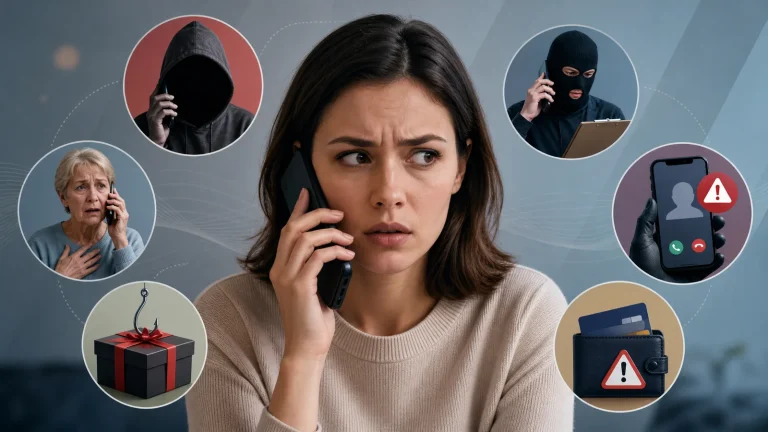
Being able to identify unknown callers also means knowing the warning signs of spam. Many scam calls follow similar patterns, even when the story changes.
- The caller pressures you to act immediately.
- You are asked to pay with gift cards, cryptocurrency, wire transfers, or payment apps.
- The caller requests passwords, verification codes, Social Security numbers, or bank details.
- The message threatens arrest, account closure, fines, or service disconnection.
- The call starts with a robotic voice or a long pause before someone speaks.
- The caller refuses to provide verifiable company details.
- The number looks local, but the caller’s claim does not match the location.
Robocalls vs. legitimate marketing calls
A robocall is an automated phone call that plays a recorded message. Some robocalls are legal, such as appointment reminders, school alerts, prescription notifications, or political messages. Others are illegal, especially if they try to sell something without proper consent or use deceptive claims.
Legitimate marketing calls should identify the company, explain why they are calling, and honor opt-out requests. If a caller hides their identity, avoids questions, or uses fear tactics, treat the call as suspicious.
How to report spam calls
Reporting unwanted calls helps phone carriers, app providers, and authorities detect scam patterns. In the United States, you can report unwanted calls to the Federal Trade Commission at ReportFraud.ftc.gov and add your number to the National Do Not Call Registry at DoNotCall.gov. You can also report spam through your mobile carrier or caller ID app.
Strategies for managing unwanted calls
To reduce unwanted calls, avoid answering numbers you do not recognize, block repeat offenders, and avoid pressing buttons during suspicious robocalls. Pressing a number to “remove yourself” can sometimes confirm that your line is active. If you answer by mistake, hang up without engaging.
Caller Safety and Privacy Protection Tips
Your safest response to an unknown caller is to stay calm and limit what you reveal. Scammers often collect small pieces of information over time, so even harmless details can become useful to them.
Best practices for answering unknown numbers
- Let unfamiliar calls go to voicemail when possible.
- If you answer, avoid saying “yes” in response to identity-confirming questions.
- Ask for the caller’s name, company, department, and reason for calling.
- Tell the caller you will call back through an official number.
- Do not stay on the line with aggressive or manipulative callers.
Protect your personal information
Do not share passwords, one-time passcodes, account numbers, card details, your full date of birth, or your Social Security number during an unexpected call. Real institutions usually do not ask for sensitive credentials over the phone, especially if they initiated the call.
If a caller claims there is a problem with an account, end the call and contact the organization directly through its official website, app, billing statement, or the number on the back of your card.
What to do if a caller makes threats
If a caller threatens you, your family, your workplace, or your property, do not argue or provide more information. End the call, save the number, write down what was said, and contact local authorities. If you believe there is immediate danger, call emergency services.
Steps to Take After Identifying an Unknown Caller
Once you have more information about the caller, choose the response that matches the situation. A legitimate missed call may only require a callback, while a scam or harassment call may need blocking, reporting, or documentation.
If the caller is legitimate
Return the call using a verified phone number, especially if the call involves billing, medical information, employment, legal matters, or financial accounts. If you are unsure, visit the official website or log in to your account rather than relying on caller ID alone.
If the caller is spam or a scam
Block the number on your device and report it through your phone carrier, caller ID app, or the appropriate consumer protection agency. Avoid calling back scam numbers, as this may lead to more unwanted calls.
If the calls continue
Repeated unwanted calls may cross into harassment. Keep a record of the dates, times, phone numbers, voicemails, text messages, and any details about what was said. Screenshots and call logs can be useful if you need to report the issue to your carrier, workplace, school, or law enforcement.
- Block the number if it is clearly unwanted.
- Report suspected fraud to relevant authorities.
- Contact your phone carrier about call-filtering options.
- Save evidence if the caller is threatening, abusive, or persistent.
- Seek legal or law enforcement help for harassment or credible threats.
Conclusion
Identifying an unknown caller does not have to be daunting. By using reverse phone lookup tools, caller ID apps, voicemail checks, search engines, and safe communication habits, you can improve your caller identification process and reduce the risk of scams.
Stay cautious with unexpected calls, verify claims through official sources, and never share sensitive information with someone you cannot confirm. A few simple steps can protect your privacy, your money, and your peace of mind.
FAQ
What is the best way to identify a caller by phone number?
The best way is to use a reverse phone lookup service, which can provide available caller information such as a name, business listing, location, carrier type, or spam reports.
How can I block unwanted calls?
You can block unwanted calls through your phone settings or by using a call-blocking app. Many mobile carriers also offer spam filtering and call protection features.
Are there apps for identifying unknown callers?
Yes. Apps such as Truecaller and Hiya can provide caller ID services, flag suspected spam, and help identify unknown callers before you answer.
What should I do if I receive a threatening call?
If you receive a threatening call, document the date, time, number, and what was said. Save voicemails or screenshots if available, then report the incident to local authorities. If you are in immediate danger, contact emergency services.