Area Code 310: Location, Time Zone, and Scam Awareness Guide
Area Code 310: Location, Time Zone, and Scam Awareness Guide helps you understand where a 310 phone number may be coming from, what time zone it follows, and how to handle unknown calls safely. Area codes can offer useful context, but they do not guarantee a caller’s true location because numbers can be spoofed or reassigned.
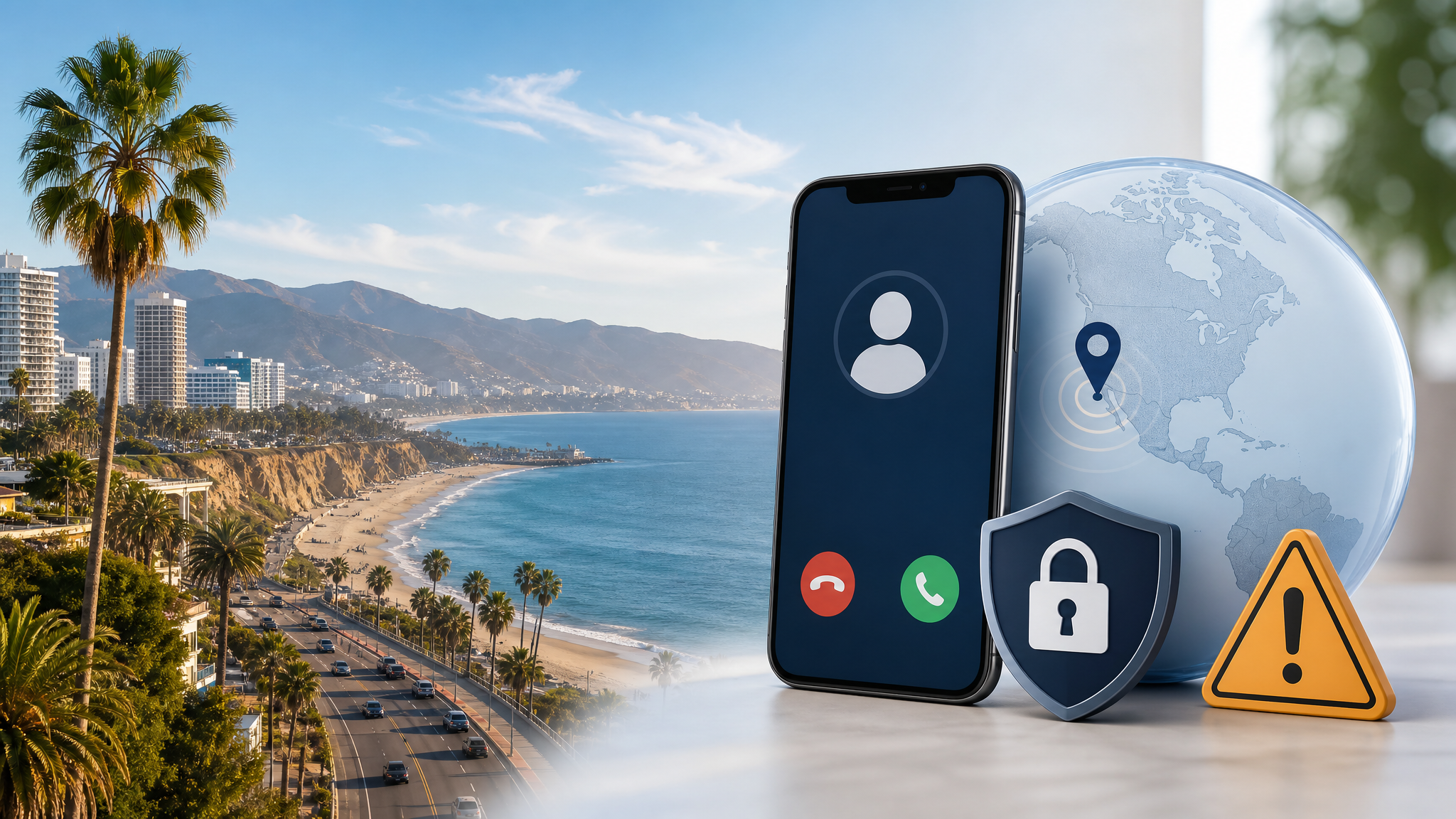
Area code 310 is strongly associated with the Los Angeles coastal region, including well-known communities such as Santa Monica, Beverly Hills, Malibu, and parts of the South Bay. Because this area includes major business, entertainment, and residential communities, calls from 310 numbers may be legitimate—but they can also be used by telemarketers, robocallers, and scammers.
Geographical Location of Area Code 310
Area code 310 serves parts of western and southwestern Los Angeles County in California. It is commonly linked to the Westside of Los Angeles, beach cities, and several high-profile commercial districts.
Major cities and communities associated with area code 310 include:
- Los Angeles neighborhoods on the Westside
- Santa Monica
- Beverly Hills
- Culver City
- Malibu
- El Segundo
- Manhattan Beach
- Hermosa Beach
- Redondo Beach
- Torrance
- Inglewood
- Hawthorne
- Catalina Island
Area code 310 was introduced in 1991 after being split from area code 213. As population growth, business expansion, fax lines, mobile phones, and later internet-connected devices increased demand for phone numbers, the region needed additional numbering resources.
Today, area code 310 is overlaid by area code 424. That means both area codes serve the same general geographic region, and new numbers in the area may be assigned either 310 or 424. Because of the overlay, local calls generally require 10-digit dialing.
Nearby and surrounding area codes include 213, 323, 562, 626, 747, 818, and 805. A call from one of these neighboring area codes may still come from the broader Los Angeles region, but the specific area code can help narrow the likely origin.
Time Zone of Area Code 310
Area code 310 is in the Pacific Time Zone. This means it follows Pacific Standard Time, or PST, during the non-daylight saving months and Pacific Daylight Time, or PDT, during daylight saving time.
| Period | Time Zone | UTC Offset |
|---|---|---|
| Standard Time | Pacific Standard Time | UTC-8 |
| Daylight Saving Time | Pacific Daylight Time | UTC-7 |
Daylight Saving Time typically begins in March and ends in November. During that period, clocks move forward by one hour. If you are calling a 310 number from another state or country, check the current Pacific Time before placing a business call or returning an unknown number.
For example, if it is 12:00 p.m. in New York during standard time, it is 9:00 a.m. in the 310 area. Callers from the Central, Eastern, Mountain, or international time zones should account for this difference to avoid calling too early or too late.
How to Identify Unknown Callers from Area Code 310
If you receive a call from an unfamiliar 310 number, do not assume it is safe just because the area code is recognizable. Scammers can use caller ID spoofing to make a call appear as if it comes from Los Angeles, Santa Monica, or another 310 location.
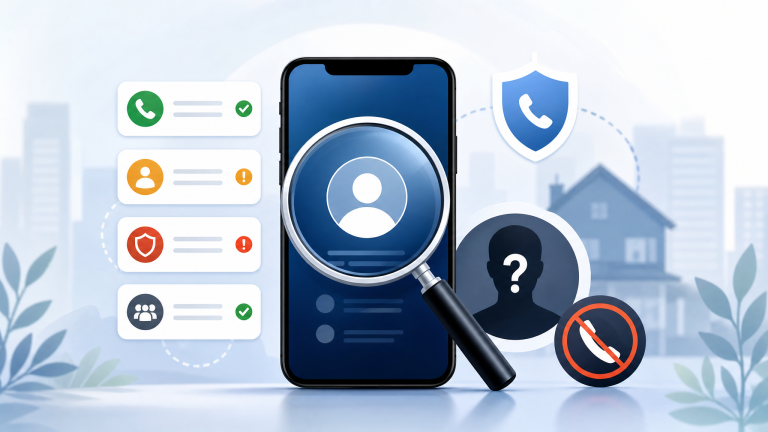
A reverse phone lookup can help you review public records, caller reports, carrier details, and possible business associations for a number. This is especially useful if the caller did not leave a voicemail or if the message sounded suspicious.
Watch for these red flags:
- The caller demands immediate payment or threatens legal action.
- You are asked to pay using gift cards, cryptocurrency, wire transfers, or payment apps.
- The caller requests your Social Security number, bank login, verification code, or full credit card details.
- The message claims you won a prize, but you must pay a fee to receive it.
- The caller uses pressure, fear, secrecy, or urgency to stop you from checking the facts.
- The number appears local, but the caller cannot explain why they are contacting you.
Before calling back, search the phone number, check whether it is linked to a real business, and compare it with the official contact information on the company’s website. If the call claims to be from a bank, government agency, delivery service, or utility provider, contact that organization directly using a verified number.
Common Scams Associated with Area Code 310
Scams are not caused by an area code itself, but scammers often use recognizable local numbers to increase answer rates. A 310 number may be spoofed to appear local to Southern California residents or credible to people familiar with the Los Angeles area.
Common scam types reported with local and spoofed numbers include:
- IRS or tax scams: The caller claims you owe back taxes and threatens arrest, fines, or legal action unless you pay immediately.
- Lottery and prize scams: You are told you won money, a trip, or a sweepstakes, but must pay a processing fee or tax first.
- Bank fraud alerts: The caller pretends to be from your bank and asks for login credentials, one-time passcodes, or card numbers.
- Tech support scams: The caller says your computer or account has been compromised and asks for remote access or payment.
- Delivery or package scams: A message claims there is a failed delivery and directs you to click a suspicious link or provide payment details.
- Impersonation scams: The caller pretends to be law enforcement, a utility company, a court office, or a well-known business.
Recent fraud reporting from agencies such as the Federal Trade Commission shows that imposter scams remain one of the most frequently reported fraud categories in the United States, with consumer losses reaching billions of dollars annually. California consistently ranks among the states with high fraud report volume, partly because of its large population and major metropolitan areas.
The safest response is to pause. Scammers rely on urgency. If someone asks for money, personal data, or verification codes over the phone, hang up and verify the claim through an official website, statement, or customer service number.
Consumer Safety Tips for Area Code 310
Receiving a call from area code 310 does not automatically mean the call is dangerous. Many legitimate businesses, medical offices, schools, entertainment companies, and residents use 310 numbers. The goal is to evaluate the behavior of the caller, not just the area code.
Use these safety practices when handling unknown calls:
- Let unknown numbers go to voicemail if you are not expecting a call.
- Do not share sensitive information unless you initiated the call using a trusted number.
- Never provide one-time passwords or authentication codes to an incoming caller.
- Block repeat spam numbers through your phone settings or carrier tools.
- Report suspicious calls to the FTC, FCC, your mobile carrier, or a phone lookup platform.
- Use caller ID and spam detection apps to screen high-risk calls.
- Keep your phone software updated so security and spam-filtering features work properly.
If a caller claims to represent a company you already use, hang up and call the official number printed on your bill, card, app, or account portal. This simple step prevents many impersonation scams.
Recommended Tools for Caller Verification and Scam Detection
Caller verification tools can help you decide whether to answer, return, block, or report a number. No single tool is perfect, so the best approach is to combine reverse phone lookup, caller ID, voicemail review, and common-sense verification.
| Tool Type | Best For | Useful Features |
|---|---|---|
| Reverse phone lookup websites | Checking unknown 310 numbers | Caller reports, possible owner details, location clues, spam labels |
| Caller ID apps | Screening calls in real time | Spam warnings, community reports, automatic blocking |
| Mobile carrier spam tools | Reducing robocalls | Network-level filtering, scam risk alerts, block lists |
| Government reporting platforms | Reporting fraud attempts | Official complaint records and consumer protection resources |
Popular options include built-in spam protection on iPhone and Android devices, carrier tools from major wireless providers, and dedicated caller ID services. For reporting, use official resources such as the FTC’s fraud reporting site, the FCC’s unwanted calls complaint form, and your state attorney general’s consumer protection office.
When using any lookup tool, remember that phone number data can be incomplete or outdated. Treat results as helpful signals, not absolute proof of identity.
Frequently Asked Questions about Area Code 310
What cities are included in Area Code 310?
Area code 310 covers parts of Los Angeles County, especially the Westside, coastal communities, and South Bay. Cities and areas commonly associated with 310 include Santa Monica, Beverly Hills, Culver City, Malibu, Torrance, El Segundo, Manhattan Beach, Redondo Beach, Hermosa Beach, Inglewood, Hawthorne, and parts of Los Angeles.
What should I do if I receive a suspicious call from Area Code 310?
Do not provide personal or financial information. Let the call go to voicemail, search the number with a reverse phone lookup, and contact the organization directly if the caller claimed to represent a business or agency. Block and report the number if it appears fraudulent.
Are calls from this area code typically safe?
Many calls from 310 numbers are legitimate, but the area code alone does not prove a caller’s identity. Because caller ID can be spoofed, evaluate the message, request, and behavior of the caller before responding.
How do I report a scam call from Area Code 310?
You can report scam calls to the Federal Trade Commission, the Federal Communications Commission, your mobile carrier, and your state consumer protection office. You can also mark the number as spam in your phone app or caller ID service to help warn other users.
Can I change my phone number to avoid spam calls from Area Code 310?
You can ask your carrier to change your number, but it may not fully stop spam calls. A new number can also receive unwanted calls if it was previously assigned to someone else. Blocking, filtering, reporting, and keeping your number private are usually more practical first steps.
Area codes can affect telecommunications in practical ways, including local dialing rules, number availability, and caller recognition. With the 424 overlay serving the same region as 310, similar-looking local numbers may come from either area code. If you receive a call from 424, 213, 323, 562, or another nearby code, use the same verification steps you would use for a 310 number.
Area Code 310 is not just a number prefix; it represents a key area rich in cultural, residential, and commercial activity. By understanding its geography, Pacific Time Zone schedule, and common scam risks, you can make smarter decisions when dealing with unknown callers and better protect your personal information.