What Happens If You Answer a Spam Call?
What Happens If You Answer a Spam Call? In most cases, simply picking up does not immediately steal your data or infect your phone, but it can confirm that your number is active and expose you to scam attempts, follow-up calls, and pressure tactics designed to get personal or financial information.
Spam calls range from annoying robocalls to sophisticated impersonation scams. Knowing what can happen after you answer helps you respond safely, protect your privacy, and decide whether to block, report, or look up an unknown number before engaging.
Understanding Spam Calls
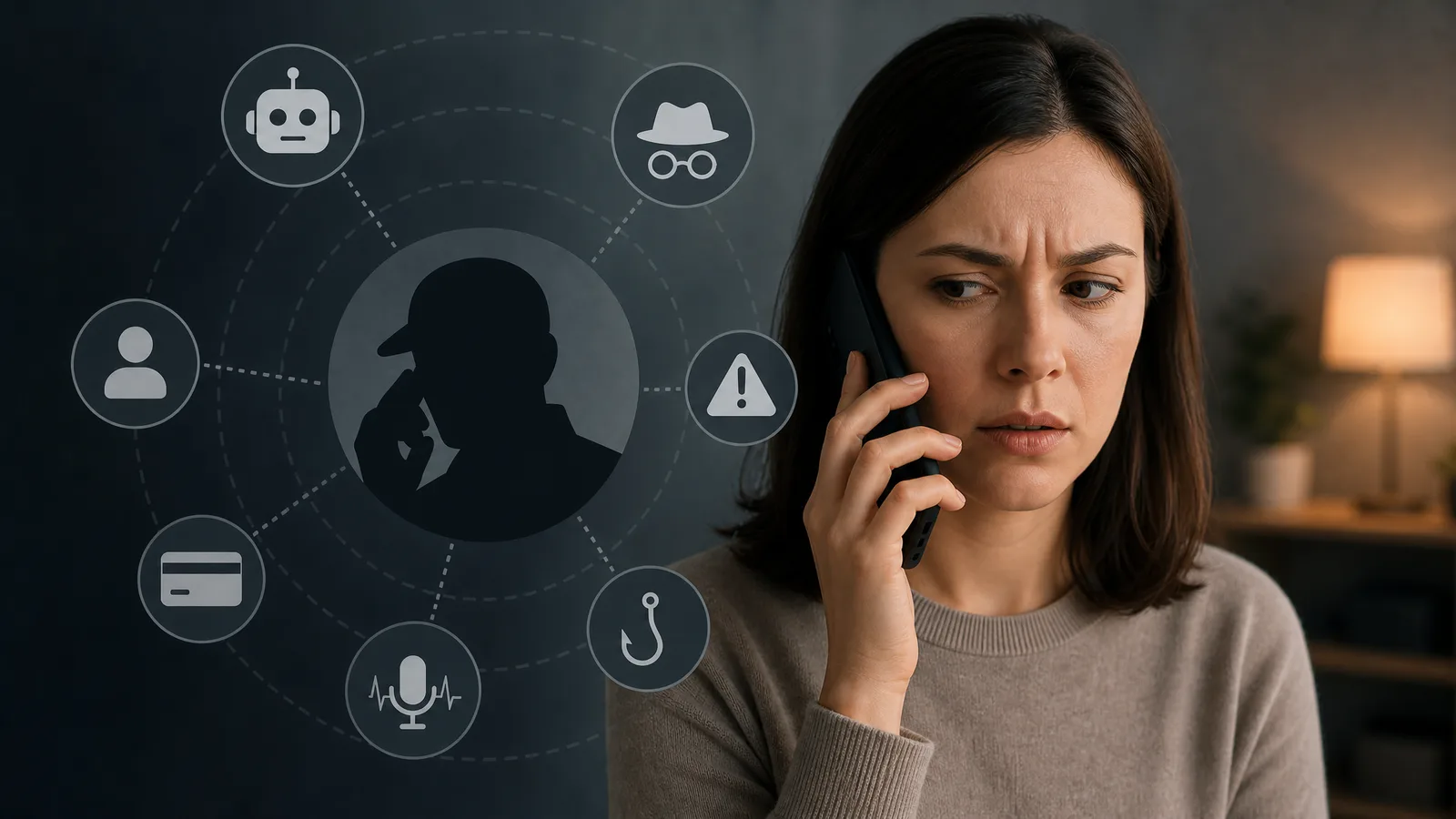
A spam call is an unwanted phone call, often made in bulk, that may promote a product, push a fake offer, or attempt to trick you into sharing sensitive information. Some spam calls are illegal telemarketing calls, while others are outright scams using spoofed caller ID numbers to appear local or trustworthy.
Common signs of spam calls include:
- An unknown number calling repeatedly within a short period
- A prerecorded voice or long pause before a person speaks
- Urgent language about taxes, bank accounts, deliveries, warrants, or prizes
- Requests for passwords, verification codes, payment details, or Social Security numbers
- Caller ID that looks local but does not match the caller’s claimed organization
Spam and scam calls remain a major consumer problem. Industry call-blocking reports and government complaint data consistently show billions of unwanted robocalls placed each month in the United States alone. Scammers rely on volume: even if most people ignore them, a small number of successful calls can generate profit.
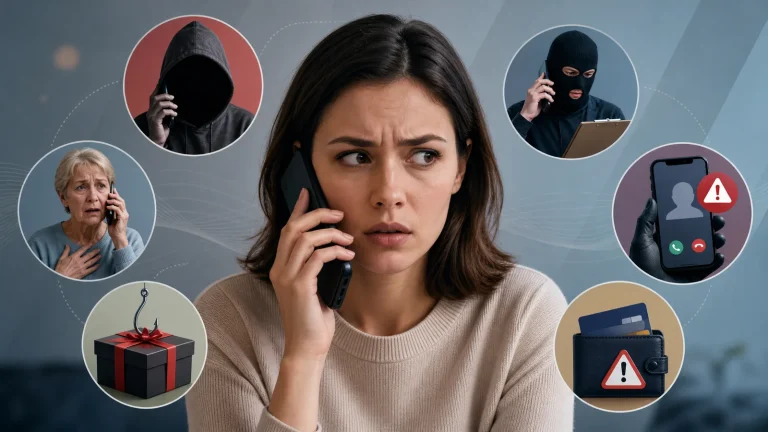
Types of spam calls you may encounter include fake bank fraud alerts, Medicare or health insurance scams, auto warranty offers, debt relief pitches, charity scams, tech support scams, package delivery impersonations, and “one-ring” callbacks designed to make you return a premium-rate number.
What Happens When You Answer a Spam Call?
Answering a spam call usually does not cause immediate harm by itself. The bigger risk begins if you talk, follow instructions, press buttons, or share information. Scammers use the conversation to learn about you, test whether your number is valuable, and push you toward a financial decision.
The most immediate risk is giving away personal information. A caller may pretend to verify your identity by asking for your full name, date of birth, address, bank name, account number, one-time passcode, or card details. Legitimate companies generally do not ask for sensitive information on unexpected calls.
Answering can also mark your number as active. Some robocall systems track which numbers pick up, how long the call lasts, and whether the recipient presses a key. Active numbers may be called more often or sold to other lead lists used by telemarketers and scammers.
Financial loss can happen when a caller convinces you to:
- Pay a fake debt, tax bill, fine, or delivery fee
- Buy gift cards and read the codes over the phone
- Transfer money through a payment app or wire service
- Share a banking verification code that gives the scammer account access
- Install remote-access software under the claim of “fixing” your device
If you answer and quickly hang up without speaking or pressing anything, your risk is lower. Still, it is wise to block the number and avoid future interaction.
The Risks of Engaging with Spam Callers
Engaging with a spam caller gives them more opportunities to profile you. Even small details can be useful: your name, whether you live alone, which bank you use, your age range, or whether you seem worried by threats. Scammers often adjust their script based on your reaction.
Pressing buttons can also increase risk. Many robocalls say “Press 1 to speak to an agent” or “Press 2 to be removed.” In some cases, that action confirms that a person is listening and willing to interact. It may not remove you from a list and could lead to more calls.
The risk of identity theft increases if you provide enough personal details for a scammer to impersonate you. Information such as your date of birth, address, Social Security number, account numbers, or security answers can be used to open accounts, reset passwords, apply for credit, or bypass customer service verification.
Another issue is number validation. Once your phone number is confirmed as active, it may be grouped with other data from breaches, public records, or marketing lists. That can make future scams sound more convincing because the caller may already know your name, city, or recent purchases.
Spam Call Prevention Tips
The safest approach is to avoid answering suspicious calls whenever possible. If the call is legitimate, the caller can leave a voicemail, send a secure message, or contact you through an official channel.
Use these practical steps to reduce spam calls:
- Let unknown numbers go to voicemail, especially if you are not expecting a call.
- Do not call back unfamiliar numbers without checking them first.
- Never provide passwords, PINs, one-time codes, or payment information on an unexpected call.
- Be cautious with calls that create urgency, fear, or pressure to act immediately.
- Use your phone’s built-in spam filtering features.
- Block repeat offenders after verifying they are unwanted callers.
- Limit where you post your phone number online.
Most smartphones include call screening, silence unknown callers, or spam detection settings. Mobile carriers also offer call-blocking tools, and reputable third-party apps can flag suspected robocalls, spoofed numbers, and known scam sources.
Reporting spam calls helps carriers, regulators, and call-blocking services identify patterns. In the United States, you can report unwanted calls to the Federal Trade Commission, the Federal Communications Commission, and your mobile carrier. If the call involved fraud or money loss, report it to the appropriate fraud reporting agency as well.
Using Phone Number Lookup Services
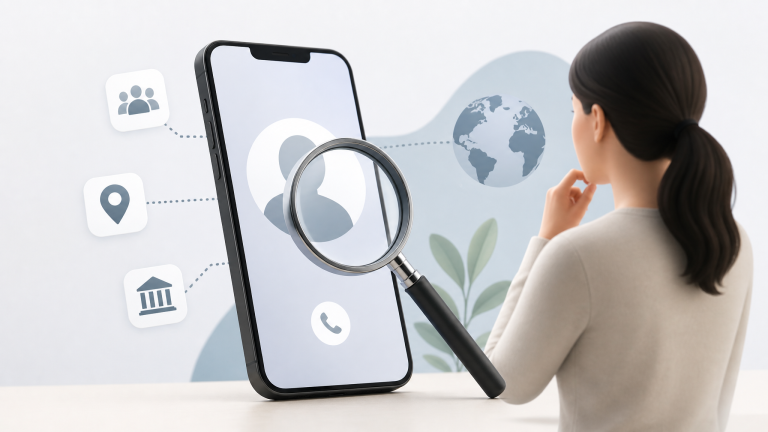
A reverse phone lookup service can help you identify an unknown caller before you answer or call back. These tools search available phone data, user reports, carrier information, and public records to help determine whether a number is connected to a business, individual, robocall campaign, or known scam pattern.
Phone number lookup tools are useful because they can help you:
- Check whether a missed call came from a real business
- See if other users have reported the number as spam or fraud
- Compare the caller’s claim with available number information
- Avoid returning suspicious calls
- Document repeated harassment from the same number
Before answering an unfamiliar number, search it through a trusted reverse phone lookup service, your carrier’s spam alert tool, or a reputable caller ID app. If the number is associated with complaints, high-volume calling, or inconsistent identity details, avoid engaging.
For consumer safety, choose lookup services that provide clear caller information, spam indicators, recent user feedback, and privacy-conscious search practices. No lookup tool is perfect because scammers can spoof numbers, but checking first gives you a better chance of spotting risk before you respond.
Legal Protections Against Spam Calls
Consumers have legal protections against many unwanted calls. In the United States, the Telephone Consumer Protection Act, commonly known as the TCPA, restricts certain robocalls, prerecorded messages, autodialed calls, and telemarketing practices. The National Do Not Call Registry also limits sales calls from legitimate telemarketers.
Your rights may include the ability to revoke consent, ask a telemarketer to stop calling, report illegal robocalls, and take action against certain repeat violators. However, scammers often ignore the law, use spoofed caller ID, or operate from outside the country, which makes prevention and caution especially important.
If you are being harassed by spam calls:
- Keep a record of the calling number, date, time, and message content.
- Take screenshots of call logs if the calls are repeated.
- Block the number, but remember scammers may switch numbers.
- Report the calls to your carrier and relevant consumer protection agencies.
- Contact your phone provider about enhanced spam filtering options.
- Seek legal guidance if the calls are persistent, threatening, or tied to debt collection abuse.
Legal protections are helpful, but they work best alongside practical call screening habits and number verification.
What to Do After Answering a Spam Call
If you answered a spam call, do not panic. The right next step depends on what happened during the call. If you only picked up and hung up, blocking and reporting the number may be enough. If you shared information or followed instructions, act quickly.
Take these steps after answering a suspicious call:
- Hang up immediately if the caller asks for sensitive information or payment.
- Do not press any additional buttons or call the number back.
- Block the number and mark it as spam on your device if available.
- Search the number using a phone number lookup tool to check for reports.
- Report the call to your carrier and consumer protection agencies.
- Monitor your bank, credit card, email, and phone accounts for unusual activity.
If you shared login details, change the affected passwords right away and enable two-factor authentication. If you gave out a one-time verification code, contact the company tied to that code immediately. If you shared financial information, call your bank or card issuer using the number on the back of your card, not a number provided by the caller.
Changing your phone number is usually a last resort. Consider it if you receive nonstop scam calls, threats, harassment, or if your number has been widely exposed through a data breach. Before changing it, ask your carrier about stronger blocking tools, call screening, and number privacy options.
Frequently Asked Questions
Can answering a spam call allow malware installation?
Simply answering a phone call does not normally install malware on your device. The risk increases if the caller convinces you to click a link, download an app, install remote-access software, scan a QR code, or change security settings. Treat any follow-up text message or link from an unknown caller as suspicious.
What should I do if I accidentally shared my information?
Act based on what you shared. Change passwords if login details were exposed, contact your bank if financial information was given, and place a fraud alert or credit freeze if sensitive identity information such as your Social Security number was disclosed. Keep records of the call and report it to the appropriate authorities.
Are there any tools to help identify spam callers?
Yes. Built-in phone spam filters, carrier protection services, caller ID apps, and reverse phone lookup services can help identify suspicious numbers. These tools are especially useful before returning missed calls from unknown numbers.
Can answering a spam call compromise my personal information?
Yes, engaging with spam callers can expose your personal information to identity thieves and scammers. The danger comes from what you say or do during the call, not from answering alone.
How can I better protect myself from spam calls?
Use call-blocking apps, be cautious when sharing your number online, and always verify unknown numbers through lookup services. Let unfamiliar calls go to voicemail when possible.
What steps should I take after answering a spam call?
If you disclosed any information, monitor your accounts for unusual activity and consider reporting the call. If payment details, passwords, or verification codes were shared, contact the affected company immediately.
Conclusion
Recognizing the dangers of spam calls is essential for phone safety and privacy protection. Answering once may not cause direct harm, but engaging with the caller can confirm your number is active and increase your exposure to scams.
Use call screening, blocking tools, spam reports, and reverse phone lookup services to verify unknown callers before responding. If you do answer a spam call, avoid sharing information, hang up quickly, and take action if anything sensitive was disclosed.