Best Reverse Phone Lookup Tools
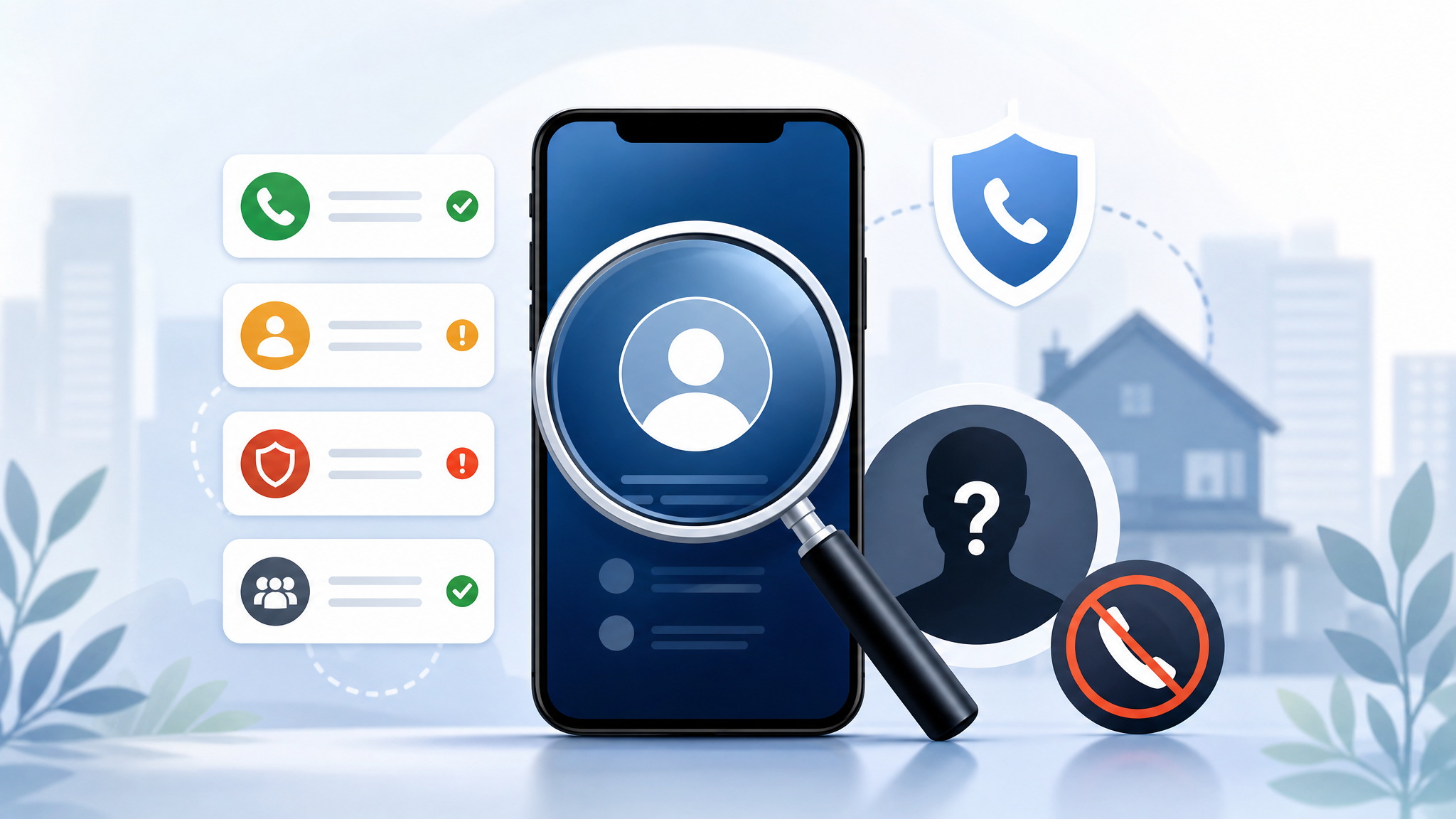
The Best Reverse Phone Lookup Tools help you identify unknown callers, check whether a number is linked to spam, and make safer decisions before calling back or sharing personal information. With robocalls, phishing attempts, debt collection calls, and spoofed numbers becoming harder to distinguish, a reliable reverse phone search can add an important layer of caller verification.
Reverse phone lookup services vary widely. Some focus on spam detection, while others provide deeper public-record searches, owner names, address history, carrier details, or user-submitted reports. The right choice depends on whether you need a quick caller ID check, a mobile app for daily use, or a more detailed background-style report.
What to Look for in a Reverse Phone Lookup Tool
A good reverse phone lookup tool should do more than return a name. It should provide useful, current, and responsibly sourced information while being simple enough to use quickly when an unfamiliar number appears.
- Accuracy and database coverage: Look for tools that pull from broad data sources, including public records, telecom data, business listings, and user reports. No tool is perfect, but broader coverage usually improves results.
- Ease of use: A clear search bar, fast results, and readable reports matter, especially if you are checking numbers on a mobile device.
- Privacy practices: Review how the service handles searches, user data, opt-out requests, and personal information displayed in reports.
- Free vs. paid access: Free tools may show basic caller ID or spam risk. Paid services often unlock owner details, address history, related people, or expanded public records.
- Spam protection features: Community comments, call-blocking options, risk scores, and call history tracking can be more useful than a simple name match.
For most users, the best reverse phone lookup tool is one that balances accuracy, transparency, and convenience. If you only need to identify likely spam, a caller ID app may be enough. If you need deeper verification, a paid public-record lookup may be more appropriate.
Top Reverse Phone Lookup Tools
The most popular reverse phone lookup tools serve different needs. Some are better for quick spam detection, while others are designed for detailed people-search reports. Pricing and available data can change, so always check the provider’s current terms before purchasing.
| Tool | Best For | Key Features | Potential Drawbacks |
|---|---|---|---|
| Whitepages | Detailed phone number and public-record searches | Owner names, address history, possible relatives, business listings, spam indicators | Many detailed results require paid access; mobile number data can vary |
| Truecaller | Real-time caller ID and spam blocking | Mobile app, community spam reports, call blocking, caller identification | Requires app permissions; results depend heavily on user-submitted data |
| Spokeo | People-search style reports connected to a phone number | Public records, social profiles, address data, email and name connections | Subscription model may not suit one-time users; data should be cross-checked |
| BeenVerified | Comprehensive public-record lookups | Phone, email, address, and name searches with report-style results | Usually requires a paid membership; not intended for regulated screening decisions |
| NumLookup | Quick free phone number checks | Simple interface, basic owner or carrier information when available | Less detail than paid tools; results may be limited for mobile or private numbers |
Whitepages
Whitepages is one of the better-known options for reverse phone lookup, especially in the United States. It can be useful for checking landlines, business numbers, and some mobile numbers. Its strengths are database size and structured reports, while its main limitation is that detailed information often sits behind a paywall.
Truecaller
Truecaller is built around caller ID and spam prevention. It works well for users who receive frequent unwanted calls and want real-time warnings on a smartphone. Its community-based system is helpful for identifying robocalls, but users should understand the app’s permission requirements before installing it.
Spokeo
Spokeo is useful when a phone number needs to be connected with broader identity signals, such as names, addresses, email addresses, or social profiles. It is not the fastest option for simple spam detection, but it can be helpful when you need more context about an unknown caller.
User reviews for these tools tend to follow a clear pattern: people value fast spam warnings and accurate owner matches, but they become frustrated when reports are incomplete, outdated, or locked behind unclear pricing. The strongest results usually come from using more than one source rather than relying on a single lookup.
How Reverse Phone Lookup Works
A reverse phone lookup starts with a phone number and attempts to match it to available records. Unlike a regular directory search, where you search by name, reverse lookup works backward by using the number as the main identifier.
Tools may use several types of data sources, including:
- Public records and property records
- Telecom and carrier-related data
- Business directories and online listings
- Data broker records
- Social media or web profile signals
- User-submitted spam reports and comments
The process is usually simple: enter the phone number, run the search, and review the available match. A basic result may show the carrier, line type, city, or spam risk. A more detailed report may include a possible owner name, address history, related numbers, or associated people.
Results are often stronger for landlines because traditional directory and address records are easier to match. Mobile numbers are more difficult because they change hands, are less consistently listed, and may be protected by privacy settings. VoIP numbers can be even harder to trace because scammers frequently use internet-based calling and number spoofing.
Reverse phone lookup tools also have limits. They may show outdated owners, miss recently assigned numbers, or display incomplete data. A match should be treated as a lead, not absolute proof of identity, especially if the caller is asking for money, passwords, account codes, or sensitive personal details.
Using Reverse Phone Lookup Tools for Scam Prevention
Unknown numbers are not always dangerous, but scam callers often rely on urgency and confusion. A reverse phone lookup gives you time to pause, check the number, and decide whether the call deserves a response.
Common warning signs include repeated calls from similar numbers, reports of government impersonation, requests for payment by gift card or wire transfer, and callers claiming there is an emergency but refusing to verify their identity. Lookup tools can help by showing spam labels, complaint patterns, or community comments from other people who received the same call.
If a number appears suspicious, take these steps:
- Do not call back immediately if the message creates pressure or fear.
- Search the number using at least one reverse phone lookup tool.
- Check whether users have reported the number as spam, fraud, or robocall activity.
- Contact the company, bank, or agency directly using an official website or statement number.
- Block the number if it is clearly unwanted.
- Report scam calls to your mobile carrier, the FTC in the United States, or the appropriate consumer protection agency in your country.
For daily protection, combine lookup tools with your phone’s built-in blocking features. Many carriers also offer spam filtering services. Using these tools together reduces interruptions and helps prevent accidental engagement with fraudulent callers.
Best Practices for Caller Verification
Caller verification works best when you treat reverse lookup results as one part of a broader check. A name match can be helpful, but it should not override common-sense security habits.
- Verify the number format: Check the area code, country code, and whether the number appears to be mobile, landline, VoIP, or toll-free.
- Compare multiple sources: Use more than one reverse phone lookup service if the call involves money, account access, legal claims, or personal information.
- Read community feedback: User comments can reveal patterns, such as fake delivery notices, insurance scams, or repeated robocalls.
- Look for official confirmation: If a caller claims to represent a business or agency, find the official number yourself and call that number directly.
- Protect your own privacy: Avoid entering unnecessary personal details into lookup sites, and review opt-out options if your information appears in public reports.
Be careful with how you use caller information. Reverse phone lookup services should not be used for employment screening, tenant screening, credit decisions, or other regulated purposes unless the provider specifically complies with applicable laws such as the Fair Credit Reporting Act in the United States.
Customer Testimonials and Success Stories
User feedback often shows that reverse phone lookup tools are most valuable in practical, everyday situations. People use them to decide whether to return a missed call, confirm whether a business contact is legitimate, or avoid a scam before it becomes costly.
Common success stories include:
- A fake bank alert avoided: A user receives a call claiming their account is locked. A reverse phone lookup shows multiple spam reports for the number, prompting the user to call the bank directly instead.
- A missed medical office call identified: A parent misses a call from an unfamiliar local number. A lookup connects the number to a clinic, allowing them to respond confidently.
- Repeated robocalls blocked: A user checks several similar numbers and finds community reports for warranty scams, then blocks the number range through their phone or carrier tools.
- An online marketplace transaction verified: A seller checks a buyer’s phone number before arranging a pickup and notices inconsistent details, helping them avoid a risky meeting.
Across reviews, satisfaction tends to be highest when users want spam detection, caller context, and quick decision-making. Complaints usually involve incomplete mobile number results, outdated records, or confusion over subscription billing. The best experience comes from choosing a tool that matches the task: a mobile spam-blocking app for frequent nuisance calls, or a detailed lookup service for deeper identity research.
Frequently Asked Questions (FAQ)
What is reverse phone lookup?
Reverse phone lookup is a search method that uses a phone number to find related information, such as a possible owner name, location, carrier, line type, business listing, or spam reports.
Are reverse phone lookup tools reliable?
They can be reliable for basic caller identification and spam detection, but accuracy depends on the data source, number type, and how recently the number changed ownership. Landline and business numbers are often easier to identify than mobile, VoIP, or spoofed numbers.
Can I lookup a phone number for free?
Yes, some services offer free reverse phone lookup results, especially for carrier information, location estimates, or spam reports. Detailed owner information and public-record reports often require payment or a subscription.
What information can I obtain from a reverse phone lookup?
Depending on the tool, you may see the caller’s name, business name, general location, carrier, line type, spam risk, user comments, address history, or related public records. Not every search will return complete information.
How do I report a spam number found during a lookup?
You can report spam numbers through your phone’s call-blocking feature, your mobile carrier’s spam reporting tools, reverse lookup apps with community reporting, or government agencies such as the FTC in the United States. Include details such as the number, call time, and the type of scam if available.
Reverse phone lookup tools are essential for reducing scam call risk and identifying unknown callers with more confidence. By comparing features, pricing, user feedback, and data quality, you can choose a service that fits your needs. Use lookup results thoughtfully, cross-check suspicious numbers, and make informed decisions before responding to unfamiliar callers.