How to Find Out Who Owns a Phone Number
How to Find Out Who Owns a Phone Number is a common question when an unfamiliar caller keeps ringing, a missed call looks suspicious, or you need to verify whether a contact is legitimate. Determining the owner of a phone number can help you avoid scams, confirm callers, reduce unwanted contact, and make safer decisions before returning a call or sharing personal information.
Understanding Phone Number Ownership
Phone number ownership refers to the person, business, organization, or service account associated with a specific number. Knowing who owns a number can be useful when screening unknown calls, checking whether a business is real, identifying potential fraud, or confirming that a message came from someone you trust.
Phone numbers are assigned through carriers and telecommunications providers. A carrier may know which customer account is connected to a number, but that information is generally protected by privacy rules. Public records, business directories, caller ID databases, social media profiles, and reverse phone lookup databases may contain partial ownership details, depending on how the number has been used or published.
Mobile and landline numbers can produce different lookup results. Landlines are often easier to trace to a household, business, or geographic area because they have historically been tied to fixed addresses. Mobile numbers are more portable, frequently reassigned, and often protected by stronger privacy settings, which can make ownership harder to confirm.
- Landline numbers: More likely to appear in public directories or local business listings.
- Mobile numbers: Often linked to private individuals and may require paid databases or user-reported information.
- VoIP numbers: Can be used by individuals, companies, call centers, or scammers and may be harder to verify.
- Business numbers: Commonly found through search engines, websites, maps listings, and directory profiles.
Methods for Finding Phone Number Owners
The best way to identify a phone number owner is to combine several methods. One source may show a name, another may reveal a business listing, and another may flag the number as spam. Cross-checking helps reduce mistakes, especially because phone numbers can be reassigned or spoofed.
Use a Reverse Phone Lookup Service
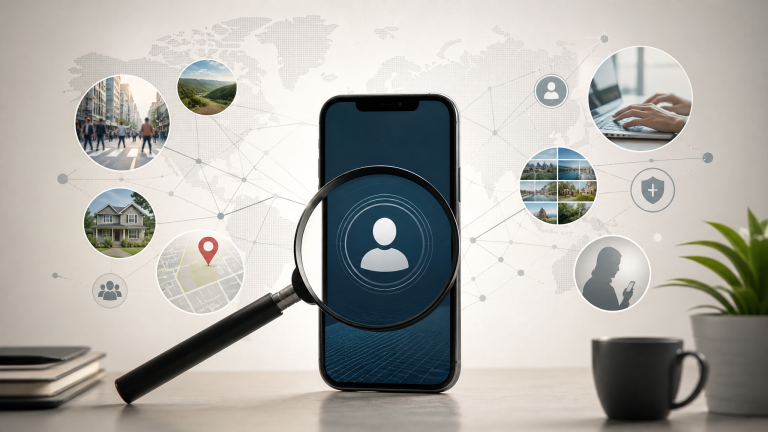
A reverse phone lookup lets you enter a phone number and search for available information connected to it. Depending on the tool and the number type, results may include a name, carrier, location, line type, business details, spam reports, or related public records.
Search Manually Online
Manual research can work well, especially for business numbers or numbers used publicly. Try entering the phone number in quotation marks in a search engine, such as “555-123-4567,” to find exact matches. You can also search variations with and without spaces, dashes, country codes, or parentheses.
Useful places to check include:
- Search engine results
- Social media platforms
- Business directories and map listings
- Marketplace profiles
- Forum posts or complaint boards
- Company contact pages
Contact the Phone Carrier in Limited Situations
Carriers usually will not disclose private customer information to the public. However, if you are dealing with harassment, threats, fraud, or identity theft, the carrier may advise you on reporting options or cooperate with law enforcement through proper legal channels. For routine unknown calls, a reverse lookup or spam reporting tool is usually more practical.
Reverse Phone Lookup Tools
Reverse phone lookup tools gather information from public records, telecom data, user reports, business listings, and other available databases. They are useful for fast caller identification, but results vary based on the number type, data freshness, and privacy restrictions.
Common features include:
- Owner name or business name when available
- Carrier or phone service provider
- Line type, such as mobile, landline, or VoIP
- Approximate location or area code information
- Spam risk ratings and user complaints
- Associated addresses or public records in paid reports
| Lookup Type | Best For | Common Limitations |
|---|---|---|
| Free reverse phone lookup | Basic caller screening, business numbers, spam checks | May show limited names, outdated data, or only location and carrier details |
| Paid reverse phone lookup | Deeper research, possible owner details, public record connections | Results are not guaranteed and must be used responsibly |
| Spam detection apps | Real-time warnings and call blocking | May rely on user reports and may occasionally mislabel numbers |
Before using any online phone number lookup tool, check that the site is reputable. Avoid services that ask for unnecessary personal information, make unrealistic promises, or pressure you into subscriptions without clear pricing. A trustworthy lookup service should explain what data it provides, how it sources information, and how users can manage privacy requests.
Detecting Spam and Scam Calls
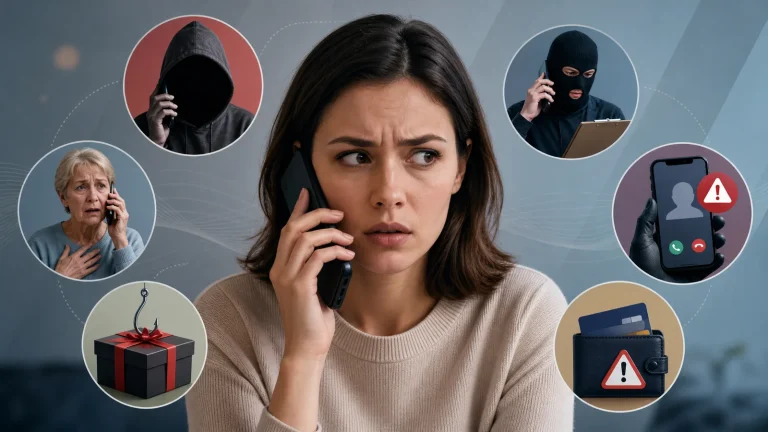
Finding out who owns a number is often less about curiosity and more about protection. Scam callers may pretend to be banks, delivery companies, government agencies, tech support teams, or debt collectors. Some use caller ID spoofing, which makes a call appear to come from a local or familiar number even when it does not.
Red flags to watch for include:
- Pressure to act immediately or keep the call secret
- Requests for passwords, verification codes, banking details, or gift cards
- Threats involving arrest, fines, account closure, or legal action
- Robocalls that ask you to press a number to speak with an agent
- Numbers with many online complaints or spam reports
- Caller details that do not match the company they claim to represent
Dedicated spam detection apps can identify suspicious calls in real time by comparing incoming numbers against known spam databases. Many smartphones also include built-in options to silence unknown callers, label potential spam, or block repeated unwanted numbers.
If a number appears fraudulent, report it. In the United States, suspicious calls can be reported to the Federal Trade Commission, the Federal Communications Commission, or your phone carrier. Other countries have similar consumer protection or telecommunications agencies. Reporting helps improve spam filters and protects other people from the same scheme.
Caller Identification Techniques
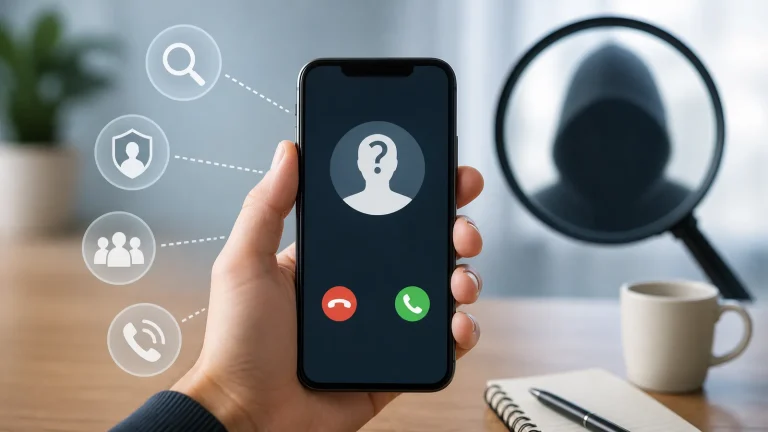
Caller ID can provide a starting point, but it should not be treated as proof of identity. A displayed name or number can be inaccurate, outdated, or spoofed. Use caller ID together with reverse phone lookup, official contact information, and common-sense verification steps.
If a caller claims to represent a bank, government office, delivery company, employer, or utility provider, do not use the callback number they provide until you verify it independently. Visit the official website, check a statement or account portal, or call the publicly listed customer service number.
Safe verification habits include:
- Let unknown calls go to voicemail if you are unsure.
- Search the phone number before calling back.
- Compare the number with official business listings.
- Never share one-time passcodes, account passwords, or payment details with an unexpected caller.
- Ask for written confirmation through a verified channel if the request seems important.
There are also legal limits to how caller information can be gathered and used. Reverse lookup tools are meant for legitimate purposes such as safety, fraud prevention, reconnecting with known contacts, or verifying businesses. They should not be used for stalking, harassment, discrimination, or unauthorized background screening.
Privacy Considerations When Searching for Phone Numbers
Phone number lookup data can involve personal information, so privacy matters on both sides of the search. Laws vary by country and region, but reputable services must comply with privacy, consumer protection, and data use regulations. Some information may be publicly available, while other details may be restricted or removed upon request.
Protect your own privacy while searching by using trusted websites, avoiding unnecessary account signups, and not entering sensitive information into unfamiliar forms. If a lookup site asks for your Social Security number, banking details, or excessive personal data just to view basic phone information, leave the site.
Ethical use is just as important as legal access. A phone number lookup should help you make safer communication choices, not invade someone’s privacy. If you find personal details connected to a number, use that information responsibly and only for a legitimate reason.
- Use lookup tools to verify callers, not to harass or monitor people.
- Respect opt-out and data removal processes.
- Do not publish someone’s phone number or personal details without permission.
- Be cautious when sharing lookup results with others.
Best Practices for Phone Number Safety
Phone number safety depends on a mix of awareness, technology, and consistent habits. If a number is unknown, suspicious, or unusually persistent, take a moment to verify it before responding. Scammers often rely on urgency, confusion, or fear to make people act before checking facts.
To reduce unwanted calls and protect your information:
- Block numbers that repeatedly call without a legitimate reason.
- Use your phone’s spam filtering and unknown caller settings.
- Register with official do-not-call lists where available.
- Report scam calls to your carrier or consumer protection agency.
- Avoid posting your phone number publicly on websites or social profiles.
- Use a separate number for online marketplaces, forms, or temporary signups when possible.
It also helps to educate family members, coworkers, and vulnerable people about phone scams. Older adults, students, job seekers, and small business owners are frequent targets. Sharing simple rules, such as “do not give payment details to an unexpected caller,” can prevent costly mistakes.
Conclusion
Finding out who owns a phone number is a practical skill for dealing with telemarketing, spam, fraud attempts, and unfamiliar callers. By using reverse phone lookup tools, manual searches, caller ID checks, spam detection apps, and responsible verification habits, you can identify callers more confidently while protecting your privacy and personal information.
FAQ
Can I find out who owns a phone number for free?
Many online services offer free reverse phone lookup options, but they may have limitations. Free results often show basic details such as location, carrier, line type, or spam reports. Paid services may provide more comprehensive information when available.
Are reverse phone lookup services legal?
Yes, reverse phone lookup services are legal as long as they comply with privacy laws and data regulations. Use reputable services and avoid using phone number information for harassment, stalking, or unauthorized screening.
What should I do if I receive a suspicious call?
Do not engage with the caller or share personal information. Let the call go to voicemail, search the number with a reverse phone lookup service, verify any claimed organization through official contact channels, and report suspicious numbers to the appropriate authorities.
How can I protect myself from spam calls?
Use spam detection apps, enable built-in call filtering, avoid sharing your number publicly, block repeat offenders, and report unwanted calls. These steps improve your own caller safety and help strengthen spam detection systems for others.