Leveraging OSINT for Phone Number Identification and Verification
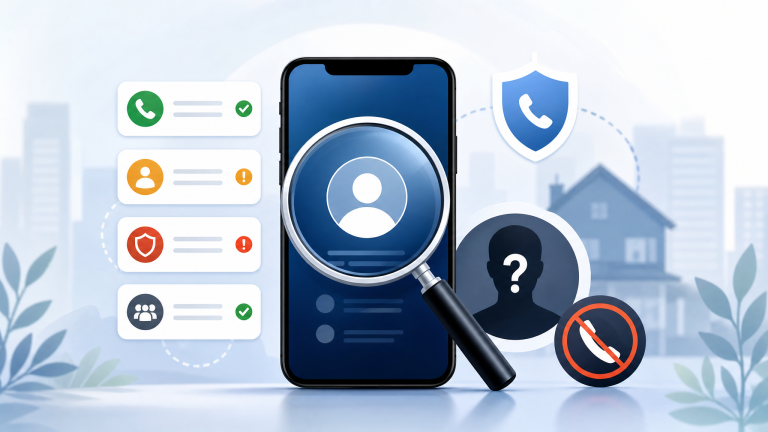
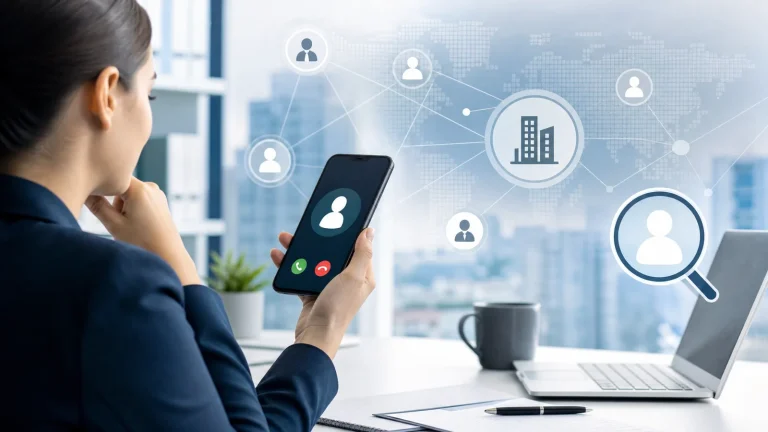
osint phone number research uses publicly available information to help identify, verify, or contextualize a phone number without accessing private systems or restricted data. This article explores practical techniques, useful tools, and ethical boundaries for gathering information from open sources. Used responsibly, OSINT can support personal security, caller verification, fraud prevention, and due diligence without crossing privacy or legal lines.
Understanding OSINT in the Context of Phone Numbers
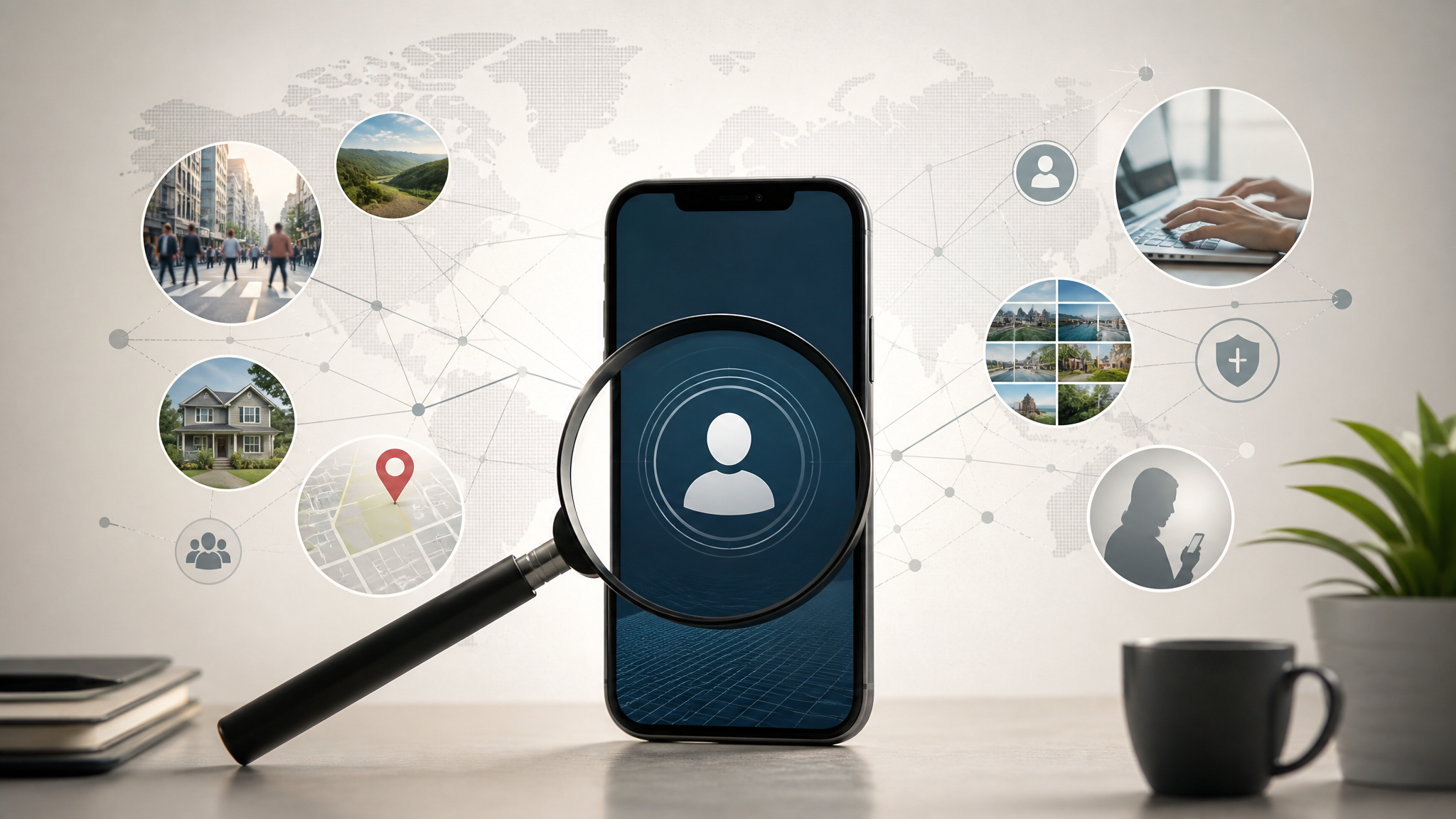
Open Source Intelligence, or OSINT, refers to collecting and analyzing information from publicly accessible sources. In the context of phone numbers, OSINT may involve checking whether a number appears in business directories, public records, social media profiles, breach notifications, marketplace listings, caller ID databases, or search engine results.
The goal is not to expose private details or track someone without a legitimate reason. Proper OSINT phone number research focuses on verification: confirming whether a number is linked to a real business, identifying whether a caller may be fraudulent, or checking whether your own phone number is exposed online.
Common situations where phone number OSINT may be useful include:
- Verifying whether a caller claiming to represent a company is legitimate.
- Checking if a phone number on a marketplace listing appears in scam reports.
- Confirming whether a customer-provided number matches public business information.
- Investigating repeated spam, phishing, or robocall attempts.
- Reviewing your own digital footprint to reduce unwanted exposure.
Typical public data sources include search engines, social networks, business listings, data broker sites, reverse phone lookup services, public court or property records where legally available, domain registration records, job postings, classified ads, and complaint forums. The reliability of these sources varies, so OSINT findings should be treated as clues rather than final proof.
Key Tools for OSINT Phone Number Research
Several tools can support OSINT phone number investigations, ranging from simple search engines to specialized reverse lookup platforms. The best tool depends on the purpose of the search, the country involved, the required confidence level, and whether the research is personal, business-related, or security-focused.
| Tool or Source | Best For | Strengths | Limitations |
|---|---|---|---|
| Search engines | Initial discovery | Can reveal business pages, listings, forum mentions, and public profiles | Results may be outdated, duplicated, or unrelated |
| Whitepages, Spokeo, BeenVerified | Reverse phone lookup in supported regions | Aggregates public and commercial records | Coverage and accuracy vary; some data may require payment |
| Social media platforms | Profile association and verification | Useful when numbers are publicly linked to accounts or business pages | Privacy settings often restrict visibility |
| Caller ID and spam databases | Spam and scam detection | Can show community reports and call patterns | User reports can be inaccurate or biased |
| PhoneInfoga and similar OSINT tools | Structured phone number reconnaissance | Helps format, validate, and query open sources | Requires careful, lawful use and source verification |
| Carrier or number validation APIs | Business verification workflows | Can identify number type, region, and carrier information | Usually does not identify the person behind the number |
For basic personal safety checks, a search engine, spam database, and one reputable reverse lookup service may be enough. For business verification, consider tools that validate number type, country code, carrier, and line status. For security teams, structured OSINT platforms can help document sources, timestamps, and confidence levels.
Choose tools based on the question you need to answer. If you only need to know whether a number is likely spam, a community caller database may be suitable. If you need to verify a customer or vendor, rely on consent-based checks, official records, and internal risk procedures rather than a single public lookup result.
Step-by-Step Guide to Conducting OSINT Phone Number Searches
A responsible OSINT phone number search should be structured, documented, and limited to a legitimate purpose. Avoid collecting unnecessary personal details, and do not use the information to harass, impersonate, threaten, or expose someone.
1. Define the purpose of the search
Start by writing down why you are researching the number. Are you verifying a suspicious caller, checking a business contact, investigating fraud, or reviewing your own online exposure? A clear purpose prevents unnecessary data collection and helps determine which sources are appropriate.
2. Normalize the phone number
Format the number correctly before searching. Include the country code where possible, and test common variations. For example, a U.S. number may appear with parentheses, hyphens, spaces, or the +1 country code. International numbers should be searched in E.164 format when using validation tools.
3. Run broad search engine queries
Search the number in quotation marks to look for exact matches. Try variations with and without spaces or punctuation. Review results from business directories, public profiles, classified ads, scam reports, and cached snippets carefully. Do not assume that the first result is accurate.
4. Check reverse lookup and caller reputation sources
Use reputable reverse phone lookup services and spam reporting databases to see whether the number has a known association. Look for patterns rather than isolated claims. A single complaint may be unreliable, but repeated reports across multiple sources can indicate risk.
5. Review public social and business profiles
If the number is linked to a business, check official websites, Google Business Profile listings, LinkedIn company pages, and professional directories. For individuals, only consider information they have made public, and avoid intrusive behavior such as attempting account recovery flows or bypassing privacy settings.
6. Cross-check the findings
Verification is the most important part of phone number OSINT. Confirm whether names, locations, organizations, and timestamps line up across multiple independent sources. If data is old, copied across aggregator sites, or inconsistent, treat it as low confidence.
7. Record sources and confidence level
Document where each finding came from, when it was accessed, and how reliable it appears. A simple confidence rating such as low, medium, or high can prevent overreliance on weak evidence.
For example, suppose a person receives a call from someone claiming to be their bank. An OSINT check may show that the number is not listed on the bank’s official website, appears in multiple scam call reports, and is associated with recent phishing complaints. The safest action would be to avoid sharing information and contact the bank directly through the official number on the back of the card.
In a business context, a company might receive a new vendor inquiry from a mobile number. Public checks could confirm whether the number appears on the vendor’s official website, matches a public employee profile, or has been used in unrelated scam listings. Any uncertainty should trigger a direct verification process through official channels.
Ethical Considerations in OSINT Phone Number Usage
Phone numbers are personal data in many jurisdictions. Even if information is publicly accessible, using it without a legitimate purpose can create legal, ethical, and reputational risk. Responsible OSINT respects privacy, minimizes data collection, and avoids harm.
Legal requirements differ by country and region. Laws such as the GDPR in the European Union, CCPA and CPRA in California, and other data protection frameworks may affect how phone number data can be collected, stored, processed, or shared. Businesses should involve legal, compliance, or privacy teams when using OSINT for customer verification, fraud investigations, or risk scoring.
Good ethical practice includes:
- Using OSINT only for a lawful and clearly defined purpose.
- Collecting the minimum amount of information needed.
- Avoiding sensitive personal details unless there is a strong legal basis.
- Not publishing or sharing someone’s phone number or associated information to shame, expose, or intimidate them.
- Verifying information before acting on it.
- Respecting opt-out requests and data removal rights where applicable.
Misuse can lead to serious consequences. Doxxing, stalking, harassment, discriminatory profiling, and unauthorized background checks can violate laws and platform policies. Even accidental misuse, such as falsely accusing someone based on outdated lookup data, can cause harm. Treat OSINT findings as investigative leads, not automatic conclusions.
Real-World Applications of OSINT Phone Number Strategies
OSINT phone number strategies are most useful when they support verification, risk reduction, and safety. They are widely applied in fraud prevention, customer onboarding, cybersecurity, journalism, and personal security, provided the research stays within ethical and legal boundaries.
In fraud detection, phone number intelligence can help identify suspicious patterns. A number recently associated with multiple online complaints, mismatched geographic claims, or disposable VoIP services may require additional verification. For example, an e-commerce company might flag high-value orders when the shipping address, IP location, and phone number region do not align.
Businesses can also use phone number OSINT to support customer verification. A legitimate process may combine user consent, phone number validation, SMS verification, official records, and open-source checks. OSINT should not replace secure identity verification, but it can add context to risk-based decisions.
Common business applications include:
- Detecting synthetic identities during account registration.
- Screening vendor contact details against official business records.
- Identifying impersonation attempts targeting employees or customers.
- Reducing chargebacks linked to suspicious contact information.
- Investigating phishing, smishing, and social engineering reports.
For individuals, OSINT can help confirm whether a missed call is likely safe to return, whether a seller’s number appears in fraud reports, or whether their own phone number is exposed in public listings. The safest approach is to use findings defensively and avoid direct confrontation based on incomplete information.
Challenges and Limitations of OSINT for Phone Numbers
Phone number OSINT is useful, but it is not always accurate. Numbers are reassigned, spoofed, ported between carriers, or shared among family members, employees, and departments. A number that once belonged to one person or company may now belong to someone else.
Caller ID spoofing is a major limitation. Fraudsters can make calls appear to come from legitimate numbers, including banks, government agencies, or local businesses. If a lookup shows that a number belongs to a trusted organization, that does not prove the caller is genuine. Always call back through an official website or known contact channel.
Other common obstacles include:
- Outdated records on data broker and people-search sites.
- Limited coverage for certain countries or regions.
- False positives caused by recycled numbers.
- Incomplete data due to privacy settings or removal requests.
- Paid platforms that provide broad claims without clear sourcing.
- Language and formatting differences in international searches.
To reduce errors, use multiple independent sources, prioritize official records, record timestamps, and avoid making high-impact decisions from a single lookup. For sensitive decisions such as hiring, lending, tenancy, or law enforcement matters, use proper legal channels and regulated background check providers where required.
Future Trends in OSINT and Phone Number Research
The future of OSINT phone number research will be shaped by better verification technology, stronger privacy regulation, and more sophisticated fraud tactics. As scammers use automation, synthetic identities, and spoofed communications, organizations will need layered verification rather than simple reverse lookup checks.
Emerging technologies may improve phone number analysis by identifying patterns across large public datasets, detecting suspicious call behavior, and scoring risk in real time. Artificial intelligence can help summarize open-source findings, but it can also introduce errors if sources are weak or poorly interpreted. Human review remains essential for high-stakes decisions.
Privacy laws are also likely to influence how phone number OSINT is conducted. More jurisdictions may require greater transparency, stronger consent standards, and easier data removal processes. Data brokers and lookup platforms may face tighter obligations around accuracy and user rights.
Over time, phone number OSINT may become less about finding personal details and more about confirming trust signals: whether a number is active, whether it matches a verified business, whether it has a suspicious usage pattern, and whether the user has consented to verification. Responsible practitioners will need to balance security value with privacy protection.
Conclusion
OSINT has changed how individuals and organizations can gather information about phone numbers through publicly available and ethical means. By understanding the right tools, verification methods, and privacy obligations, users can responsibly apply OSINT for personal safety, fraud detection, identity verification, and business risk management.
The most reliable approach is careful and restrained: define the purpose, use reputable sources, cross-check findings, document confidence levels, and avoid acting on incomplete data. OSINT phone number research is most valuable when it supports safer decisions without compromising someone’s privacy or rights.
FAQ
What types of information can I find using OSINT with a phone number?
Using OSINT, you can often find associated names, addresses, social media accounts, business listings, public records, scam reports, and other publicly available references linked to a given phone number. Availability depends on the region, privacy settings, and whether the number has appeared in public sources.
Is it legal to use OSINT for phone number searches?
Yes, OSINT phone number searches can be legal when the methods and tools comply with privacy laws, platform terms, and data protection regulations. The legality also depends on how the information is used. Respect privacy, avoid harassment, and do not use OSINT for unlawful surveillance or discrimination.
What are the best platforms for conducting OSINT phone number research?
Popular platforms include Whitepages, Spokeo, BeenVerified, caller reputation databases, search engines, and social media lookup tools. For businesses, phone validation APIs and fraud prevention platforms may be more appropriate. Each tool has different coverage, pricing, and reliability, so results should be cross-checked.
Can OSINT help in verifying the identity of a caller?
Yes. OSINT can help verify a caller by comparing the number against official websites, business directories, public profiles, and spam reports. However, caller ID can be spoofed, so the safest method is to end the call and contact the organization through an official phone number or verified channel.
What are some risks associated with OSINT for phone numbers?
Risks include invasion of privacy, outdated or inaccurate data, false identification, misuse of personal information, and legal consequences if the information is used maliciously. Treat OSINT findings as leads, not proof, and use them only for legitimate, ethical purposes.