Is Reverse Phone Lookup Legal?
Is Reverse Phone Lookup Legal? In most cases, yes—using a reverse phone lookup service to identify an unknown caller, screen suspicious calls, or verify who contacted you is generally legal. The legal risk usually depends on how the information is collected, what type of data is shown, and what you do with the results.
Reverse phone lookup tools can be helpful for avoiding scams, confirming missed calls, and protecting your privacy. However, they also raise legitimate concerns around personal data, consent, harassment, and commercial use. Understanding the rules helps you use these services responsibly without crossing legal or ethical boundaries.
Understanding Reverse Phone Lookup
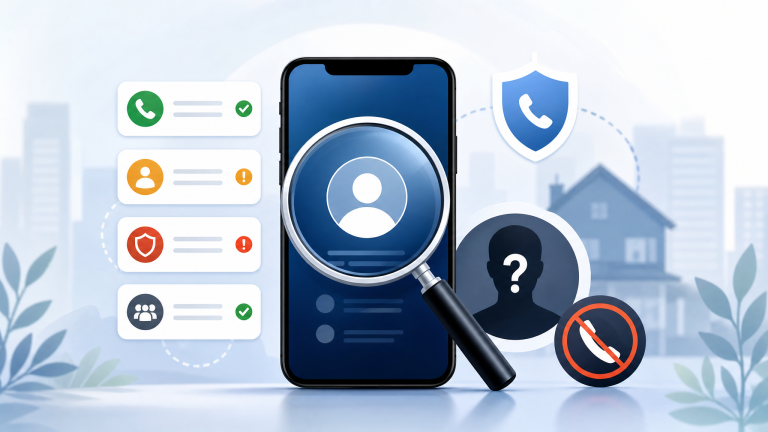
A reverse phone lookup is a search method that starts with a phone number and attempts to identify information connected to it. Depending on the service and available records, results may include a name, general location, phone carrier, line type, spam reports, public records, or business details.
People commonly use reverse phone lookup services to:
- Identify unknown missed calls or repeated callers.
- Check whether a number has been reported for spam, robocalls, or fraud.
- Verify a business number before calling back.
- Screen suspicious texts, marketplace contacts, or delivery-related calls.
- Protect themselves from phishing, impersonation, and phone scams.
A common misconception is that reverse phone lookup gives users unlimited access to private phone records. Legitimate services typically rely on public records, user-submitted reports, business directories, carrier data, data broker databases, or lawfully obtained commercial datasets. They should not provide access to private call logs, text messages, GPS location, or confidential carrier account information.
Another misconception is that looking up a number automatically gives permission to contact, monitor, or investigate the person behind it. A lookup may help you identify a caller, but it does not override privacy laws, anti-harassment rules, or platform terms of service.
The Legal Framework Surrounding Reverse Phone Lookup
In the United States, reverse phone lookup is not governed by one single law. Instead, several federal and state laws may apply depending on the source of the data, the purpose of the search, and how the information is used.
For ordinary personal use, such as identifying an unknown caller or checking a potential scam number, reverse phone lookup is generally allowed. Legal issues are more likely to arise when the information is used for employment decisions, credit eligibility, tenant screening, debt collection, marketing, stalking, harassment, or other regulated activities.
Federal laws that may affect reverse phone lookup
- Fair Credit Reporting Act (FCRA): If information is used to determine eligibility for employment, housing, credit, insurance, or similar purposes, the provider may need to be a compliant consumer reporting agency. Many people-search sites explicitly state that their reports cannot be used for FCRA-covered decisions.
- Telephone Consumer Protection Act (TCPA): This law restricts certain telemarketing calls, robocalls, and automated texts. Reverse lookup results should not be used to send unsolicited marketing messages without proper consent.
- Computer Fraud and Abuse Act (CFAA): Accessing private systems, carrier databases, or accounts without authorization is illegal. A lawful reverse lookup service should not require hacking, credential misuse, or bypassing access controls.
- Driver’s Privacy Protection Act (DPPA): Personal information from motor vehicle records is restricted. If a service claims to expose sensitive data from protected sources without a permitted purpose, that is a red flag.
State laws can add another layer of requirements. Privacy laws such as the California Consumer Privacy Act and California Privacy Rights Act give residents certain rights over personal data, including rights to know, delete, correct, and opt out of some data sharing. Other states have enacted similar consumer privacy laws, and requirements continue to evolve.
The safest way to think about the legal framework is simple: identifying a caller for personal safety or fraud prevention is usually lawful; using lookup data to make regulated decisions or target someone unfairly can create legal exposure.
Privacy Considerations in Reverse Phone Lookup
Privacy laws affect what reverse phone lookup services can collect, display, sell, or share. A reputable service should explain where its data comes from, how it handles personal information, whether it shares data with third parties, and how users can request removal or correction.
The information available through a lookup often depends on whether the number is connected to a business, a landline, a VoIP account, or a mobile phone. Business numbers are usually easier to identify because they are published in directories, websites, maps, and public listings. Personal mobile numbers may have less reliable or more limited information.
Users may have rights regarding their personal information, especially in states with consumer privacy laws. These rights can include:
- Requesting access to personal data held by a company.
- Asking for inaccurate information to be corrected.
- Requesting deletion of certain personal information.
- Opting out of the sale or sharing of personal data where applicable.
- Using data broker opt-out tools or suppression forms.
There is a real balance to strike. Caller identification helps people avoid scams and unwanted contact, but publishing too much personal information can expose individuals to stalking, doxxing, identity theft, or unwanted attention. Responsible reverse phone lookup services should limit sensitive details and provide clear privacy controls.
Common Legal Scenarios and Issues
Most legal problems do not come from simply searching a number. They come from misuse after the lookup. If someone uses lookup results to harass, threaten, impersonate, discriminate, or repeatedly contact another person, the conduct may violate civil or criminal laws.
Common situations that can create legal or policy issues include:
- Harassment or stalking: Using a phone lookup to track, intimidate, or repeatedly contact someone can lead to serious legal consequences.
- Doxxing: Publishing someone’s phone number, address, workplace, or personal details to encourage harassment may violate laws or platform rules.
- Employment or tenant screening: Using a non-FCRA people-search report to evaluate a job applicant or renter can be unlawful.
- Debt collection: Debt collectors must follow federal and state debt collection laws and cannot use lookup data to evade contact restrictions.
- Unsolicited marketing: Looking up numbers to build a calling or texting list may trigger telemarketing, consent, and do-not-call rules.
- Terms of service violations: Some services prohibit scraping, bulk searches, resale of data, or use for eligibility decisions.
Legal disputes involving reverse phone lookup often center on privacy, inaccurate information, data broker practices, and improper use of personal data. For example, a person may challenge a site that publishes outdated or sensitive information, or a company may face complaints if it markets lookup data for uses its terms prohibit.
If a search result seems unusually invasive, claims to reveal private messages, offers real-time GPS tracking, or requires questionable access to an account, avoid it. Those claims are often associated with scams or unlawful data access.
Best Practices for Using Reverse Phone Lookup Legally
Using reverse phone lookup legally starts with a practical question: why are you searching the number? If your goal is personal safety, caller identification, or fraud prevention, the risk is usually low. If your goal involves making decisions about another person’s rights, opportunities, or eligibility, you need to be much more careful.
Follow these best practices to reduce legal and privacy risks:
- Use reverse lookup services for legitimate personal purposes, such as identifying unknown callers or checking potential scam numbers.
- Read the service’s terms of use before relying on the information.
- Do not use people-search reports for employment, tenant screening, credit, insurance, or similar decisions unless the service is legally authorized for that purpose.
- Avoid contacting someone repeatedly after they ask you to stop.
- Do not publish or share another person’s private information online.
- Verify results through more than one source before assuming they are accurate.
- Use call-blocking, spam reporting, or carrier tools instead of engaging with suspicious callers.
- Choose services with clear privacy policies, opt-out options, and transparent data practices.
Ethically, reverse phone lookup should be used to solve a communication problem, not to invade someone’s privacy. If a caller may be a scammer, document the call, block the number, and report it to your carrier or the Federal Trade Commission. If the matter involves threats, fraud, or personal safety, consider contacting local law enforcement rather than investigating on your own.
For legal updates, reliable resources include the Federal Trade Commission, Federal Communications Commission, state attorney general websites, and official state privacy law portals. Because privacy laws change quickly, businesses using lookup data should seek legal guidance rather than relying on general online advice.
Helpful Tools for Reverse Phone Lookup
The best reverse phone lookup tool depends on what you need to know. A simple spam check may require only a free caller ID app or carrier feature. A deeper identity check may involve a paid people-search service, but paid does not always mean more accurate or more privacy-friendly.
| Tool Type | Best For | Privacy Considerations |
|---|---|---|
| Search engines | Checking business numbers, public listings, and scam reports | Low data sharing if you avoid entering personal details beyond the number |
| Carrier caller ID and spam tools | Blocking robocalls, spoofed calls, and known spam numbers | Usually tied to your carrier account; review carrier privacy settings |
| Caller ID apps | Real-time spam labeling and community-based number reports | Check whether the app uploads contacts or shares usage data |
| People-search websites | Finding possible names, locations, and public-record links | Review opt-out policies and restrictions on FCRA-related use |
| Business directories | Verifying companies, local services, and professional contacts | Generally safer for published business information |
Features to look for in a trustworthy reverse phone lookup service include a clear privacy policy, visible terms of use, data source transparency, secure checkout if payment is required, opt-out instructions, and warnings about prohibited uses. Be cautious with services that promise guaranteed identity results for every mobile number, real-time tracking, private message access, or law-enforcement-only data.
Privacy policies vary widely. Some tools focus on spam detection and caller reputation, while others compile public records and data broker information. Before entering a number or creating an account, check whether the service stores your searches, shares information with advertisers, or requires access to your contacts.
Emerging Trends and Future of Reverse Phone Lookup
Technology is changing both the usefulness and the legal scrutiny of reverse phone lookup. Caller ID databases are becoming more sophisticated, but scammers are also using spoofing, VoIP services, and automated dialing systems to hide their identities. As a result, a number lookup may identify the displayed number but not always the true origin of the call.
AI and machine learning are increasingly used to detect robocall patterns, flag suspicious call behavior, group spam reports, and predict whether a number is likely unsafe. These tools can improve caller protection, but they also raise questions about accuracy, bias, transparency, and how long call-related data should be retained.
Future legal considerations will likely focus on consumer consent, data minimization, data broker registration, automated decision-making, and broader privacy rights. States are continuing to pass privacy laws, and regulators are paying closer attention to companies that collect, sell, or display personal information.
For users, the practical takeaway is to rely on services that adapt to privacy standards instead of those that expose as much data as possible. For businesses, compliance will become more important as reverse lookup, caller authentication, and fraud detection tools become more integrated.
Conclusion
The legality of reverse phone lookup can vary based on location, data source, and how the results are used. For everyday caller identification, scam prevention, and personal safety, reverse phone lookup is generally legal. Problems arise when lookup data is used for harassment, doxxing, unauthorized access, regulated screening, or unsolicited marketing.
By choosing reputable services, respecting privacy rights, and following applicable laws and terms of service, users can safely utilize these tools while minimizing legal risks.
FAQ
Is it legal to use reverse phone lookup services?
Yes, generally, it is legal to use reverse phone lookup services as long as they adhere to privacy laws and do not misuse the information.
Can I look up any phone number legally?
Legally, you can look up phone numbers primarily for personal use, but usage for commercial purposes or harassment could lead to legal issues.
What should I do if I receive spam calls after a reverse lookup?
You should report the spam number to your carrier and consider using call-blocking apps to prevent further contact.
Are there any risks associated with using reverse phone lookup services?
Yes, risks include potential breaches of privacy and misuse of personal information, especially with unreliable services.
How do I ensure my information is secure when using lookup services?
Choose reputable services with strong privacy policies and avoid sharing sensitive personal information.