Most Common Phone Scams in 2026
As technology advances, so do the tactics used by scammers to trick unsuspecting individuals. In 2026, it’s crucial to stay informed about the latest phone scams that threaten your privacy and security. This article explores the Most Common Phone Scams in 2026, how they work, how to identify them, and the preventive steps you can take before sharing personal or financial information.
Overview of Phone Scams in 2026
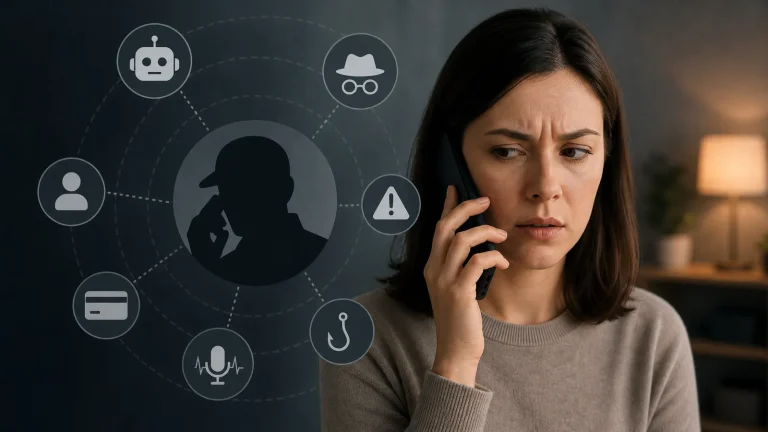
Phone scams have moved far beyond obvious robocalls and poorly scripted threats. Scammers now use spoofed caller IDs, AI-generated voices, automated dialing systems, and personal information gathered from data breaches to make calls sound more believable. A fake bank alert, for example, may include your first name, city, or the last four digits of an account-related number to create urgency.
Consumer protection agencies continue to report large volumes of fraud complaints tied to unwanted calls, text messages, and caller impersonation. In 2026, the biggest risks are not only financial losses but also identity theft, account takeover, and business email or phone compromise. Small businesses are frequent targets because employees may be pressured into paying fake invoices, confirming payroll details, or transferring funds to a “verified” vendor.
The impact is wider than a single lost payment. Victims may spend months disputing charges, freezing credit, replacing documents, and restoring access to compromised accounts. That is why checking unknown numbers, using call-blocking tools, and learning the warning signs of scam calls has become part of basic digital safety.
Top 5 Phone Scams to Watch Out For
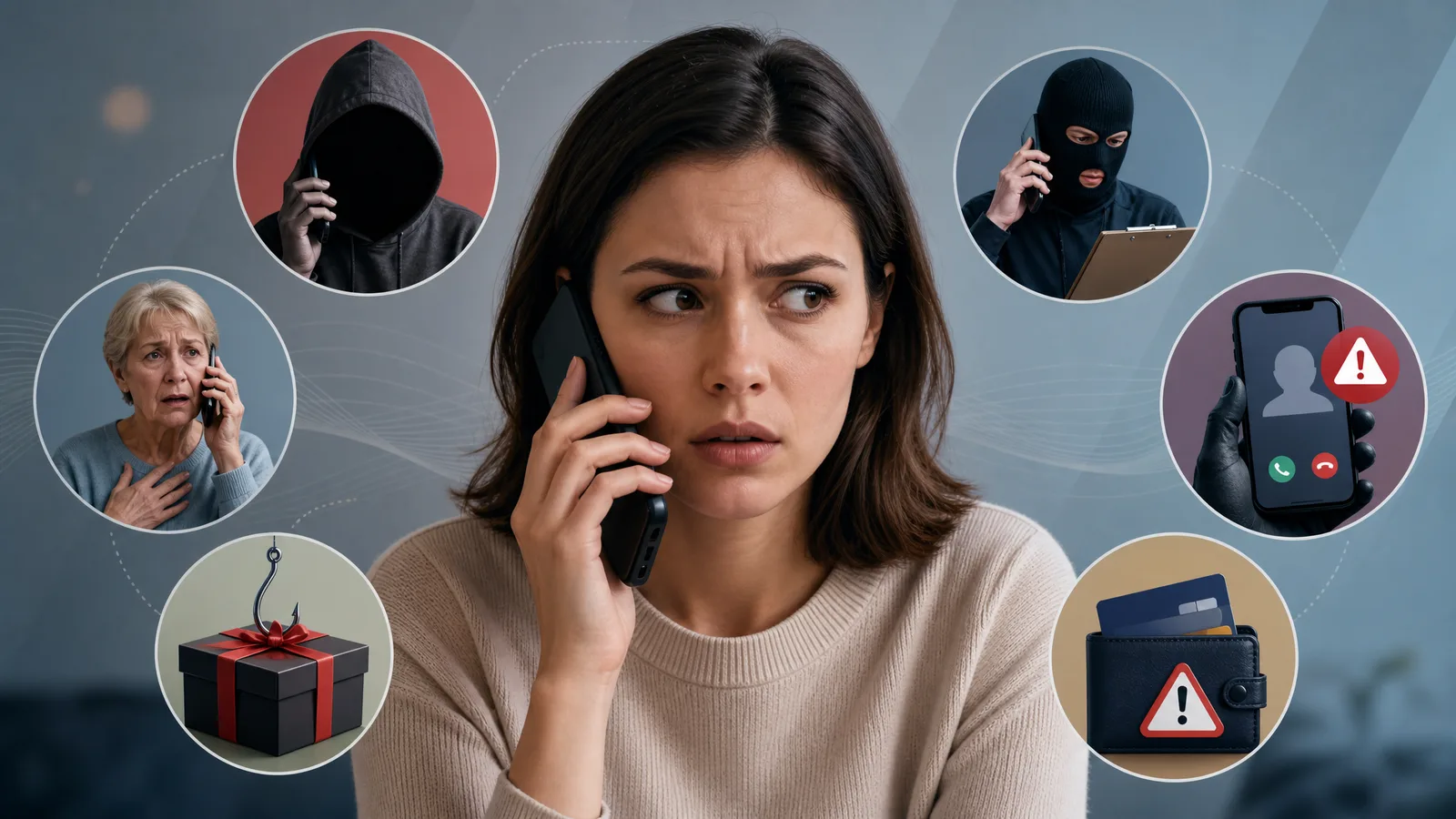
The most common phone scams in 2026 often rely on fear, urgency, or the promise of money. While the stories change, the goal is usually the same: get you to reveal sensitive information, send a payment, or grant access to an account or device.
1. Impersonation Scams
Impersonation scams remain one of the most damaging categories. Callers may claim to be from the IRS, Social Security Administration, Medicare, a local police department, a shipping company, or a well-known tech support provider. Tech support scammers often say your computer or phone has been hacked and ask you to install remote access software. Government impersonators may threaten arrest, fines, or benefit suspension unless you act immediately.
2. COVID-19 Vaccine and Health-Related Scams
Although public health conditions have changed, scammers still use COVID-19, vaccine records, testing reimbursements, and medical benefit updates as hooks. These calls may ask for insurance details, Medicare numbers, or payment for a “required” update. Any unsolicited health-related call asking for identification numbers or payment details should be treated carefully.
3. Banking and Loan Scams
Banking scams often start with a fake fraud alert. The caller may say there is suspicious activity on your account and ask you to “verify” a code sent by text. In reality, that code may allow them to reset your password or approve a transfer. Loan scams work differently: they promise guaranteed approval, debt relief, or low-interest financing in exchange for upfront fees or personal data.
4. Prize and Lottery Scams
Prize scams tell you that you have won a lottery, sweepstakes, gift card, vacation, or cash award. The catch is usually a processing fee, tax payment, or account verification. Legitimate prizes do not require you to pay with gift cards, cryptocurrency, wire transfers, or payment apps before receiving winnings.
5. Insurance Scams
Insurance scams target people looking for health, auto, home, life, or final expense coverage. Callers may offer unusually cheap premiums, claim your policy is expiring, or ask you to confirm personal information to keep coverage active. Some scams are designed to steal identity details, while others sell fake or inadequate policies.
How to Identify Scam Calls
Scam calls are not always obvious, but they often share certain patterns. The caller wants you to react quickly, avoid verification, and move the conversation away from official channels.
- Unexpected urgency: You are told to act immediately or face arrest, account closure, penalties, or lost benefits.
- Requests for sensitive information: The caller asks for your Social Security number, banking login, one-time passcode, Medicare number, or full date of birth.
- Unusual payment methods: Scammers often demand gift cards, cryptocurrency, wire transfers, prepaid debit cards, or payment apps.
- Caller ID mismatch: The displayed name may look official, but caller ID can be spoofed and should not be trusted by itself.
- Refusal to let you call back: A legitimate organization will usually allow you to hang up and contact them through a verified number.
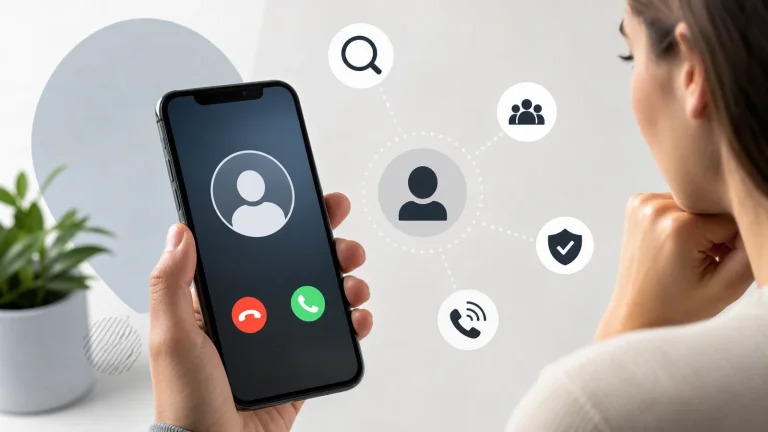
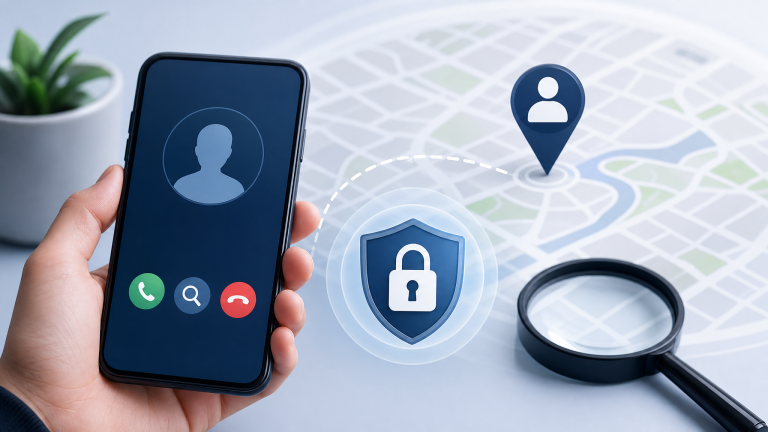
Caller ID and spam labels can help, but they are not perfect. Scammers can spoof local numbers, business names, and even numbers that appear to belong to government agencies. Use caller verification tools, official websites, and reverse phone lookup services to check unfamiliar numbers before returning a call or sharing details.
A reverse phone lookup can show whether other users have reported a number for fraud, robocalls, debt collection impersonation, or suspicious activity. It is especially useful when a caller leaves a vague voicemail, claims to represent a company, or pressures you to call back quickly.
Preventing Phone Scams
The safest habit is simple: pause before responding. Scammers depend on speed and emotional pressure. Taking even one minute to verify a number can prevent a costly mistake.
- Do not share passwords, PINs, one-time passcodes, or account recovery codes over the phone.
- Let unknown callers go to voicemail if you are not expecting a call.
- Call companies back using numbers from official websites, statements, or the back of your card.
- Register for available do-not-call protections, but remember that criminals may ignore them.
- Enable spam protection features from your mobile carrier or phone operating system.
- Talk with older relatives, teens, and employees about common scam scripts and payment red flags.
Technology can reduce exposure. Most smartphones include options to silence unknown callers, filter spam, and block repeat offenders. Mobile carriers also offer call-screening services that identify suspected robocalls. For businesses, staff training is just as important as software because many scams succeed through social engineering rather than technical hacking.
Reporting and Blocking Scam Calls
If you receive a suspicious call, reporting it helps regulators, phone carriers, and fraud databases identify patterns. Save the number, time of the call, caller name if given, and a short summary of what was requested.
- United States: Report fraud to the Federal Trade Commission at ReportFraud.ftc.gov and unwanted calls to the National Do Not Call Registry complaint page.
- Phone carriers: Use your carrier’s spam reporting tools or forward suspicious texts to 7726 where supported.
- Financial institutions: Contact your bank or card issuer immediately if payment information was shared.
- Local authorities: File a police report if money was stolen, your identity was used, or threats were made.
Blocking methods vary by device, but most phones let you block a number directly from the recent calls list. For repeated or changing numbers, use call-filtering apps, carrier-level blocking, and “silence unknown callers” features. Before calling back an unfamiliar number, check its legitimacy through a reverse phone lookup, official business directory, or the organization’s verified website.
Recommended Tools for Scam Prevention
No single tool can stop every scam, but combining reverse phone lookup, spam detection, and caller verification gives you stronger protection. The best choice depends on whether you want to identify unknown callers, block robocalls automatically, or verify business contacts.
| Tool Type | Best For | What to Look For |
|---|---|---|
| Reverse phone lookup services | Checking unknown numbers before calling back | User reports, scam labels, carrier details, location indicators, and recent activity |
| Spam call detection apps | Identifying and blocking suspected robocalls in real time | Large spam databases, automatic blocking, community reporting, and regular updates |
| Caller verification services | Confirming whether a caller is tied to a real business or organization | Business identity checks, verified contact records, and fraud-risk scoring |
Popular spam-blocking apps include Truecaller, Hiya, and RoboKiller. Many users also rely on built-in iPhone and Android call-screening features, along with carrier tools from major wireless providers. For unknown numbers, a reverse phone lookup is often the fastest first step because it can reveal whether a number has been flagged by other people.
For the best results, do not rely only on the caller’s name or the number shown on screen. Cross-check the phone number, listen for scam call warning signs, and verify directly through official contact channels.
The Future of Phone Scams
Phone scams beyond 2026 will likely become more personalized. AI voice cloning, deepfake audio, multilingual robocalls, and data from breaches may allow scammers to create convincing calls that sound like relatives, executives, banks, or customer service agents. A scammer may not need a long conversation if they can trigger panic with a realistic voice message.
At the same time, authentication technology is improving. Carriers are expanding call authentication standards, businesses are adopting verified calling, and fraud detection systems are getting better at spotting suspicious call patterns. These tools help, but they do not replace careful behavior from consumers.
To stay ahead, treat unexpected calls as unverified until proven otherwise. Use reverse phone lookup before returning calls, keep spam-blocking tools updated, and make a habit of contacting organizations through trusted numbers instead of numbers provided during a suspicious call.
As phone scams continue to evolve, staying informed and vigilant is essential. By understanding the common scams of 2026 and employing the right tools and strategies, you can protect yourself and your personal information from falling into the wrong hands.
Frequently Asked Questions
What are the most common signs of a phone scam?
Common signs include unsolicited calls asking for personal information, pressure tactics, threats, unusual payment requests, and offers that sound too good to be true.
How can I use reverse phone lookup to identify potential scams?
You can use reverse phone lookup to search an unknown number and check for reports from other users indicating whether the number is associated with scams, robocalls, impersonation attempts, or suspicious activity.
Are there any apps that can help block scam calls?
Yes. Apps like Truecaller, Hiya, and RoboKiller specialize in identifying and blocking spam calls. Many mobile carriers also provide built-in spam filtering and call-screening tools.
What should I do if I fall victim to a phone scam?
If you fall victim to a scam, report it to your local authorities and organizations such as the Federal Trade Commission. Contact your bank or card issuer, change compromised passwords, enable account alerts, and monitor your credit and financial accounts for unusual activity.
How can I educate my family and friends about phone scams?
Share examples of common scams through conversations, social media, and community workshops focused on fraud prevention. Encourage them to verify unknown numbers, avoid sharing one-time codes, and ask for help before sending money to an unfamiliar caller.