Unlocking Connections: A Comprehensive Guide to People Finder by Phone Number
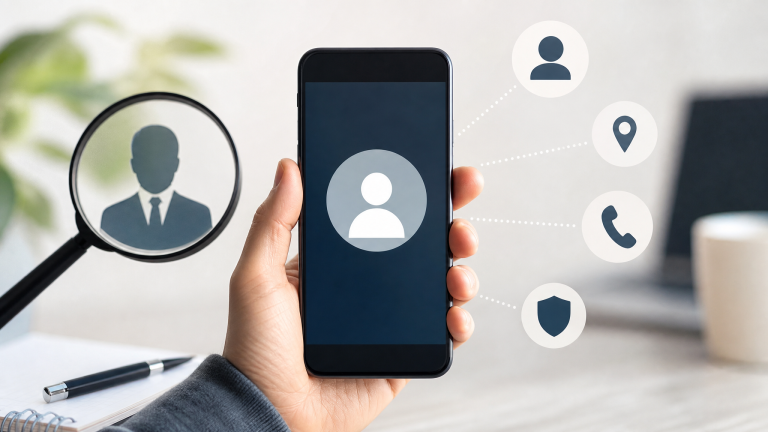
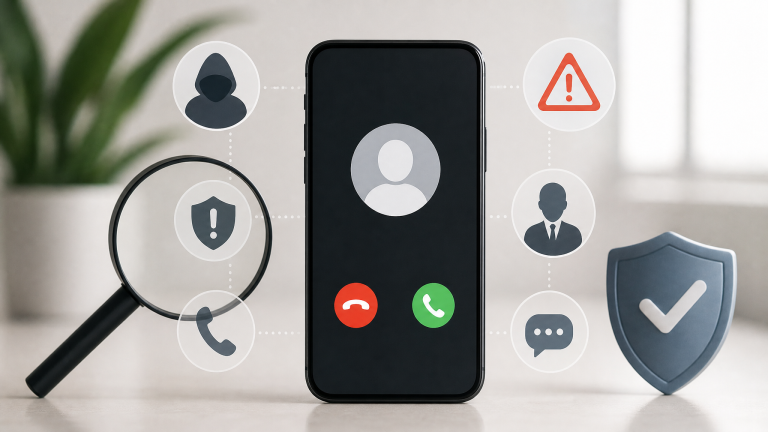
A people finder by phone number can help identify who owns a number, reconnect with someone you have lost contact with, or verify whether a caller is legitimate. These services use phone records, public databases, address history, and other available data to match a number with a possible person or household.
Phone-based people searches can be useful, but they should be used carefully. The information may be incomplete, outdated, or restricted by privacy laws. This guide explains how people finder services work, what they can reveal, which tools are commonly used, and how to search responsibly.
Understanding People Finder Services
People finder services are online platforms designed to help users locate identifying information about individuals. Instead of searching only by name, many tools allow searches by phone number, address, email address, or username.
When you enter a phone number, the platform compares it against data from multiple sources. These may include public records, telecom-related databases, marketing directories, property records, voter registration data, court records, business listings, and user-contributed information. The service then attempts to connect the number to a name, location, or related contact details.
Public records play a major role in many people finder databases. However, not every phone number is equally easy to trace. Landlines are often easier to associate with addresses, while mobile numbers may be harder to match accurately because they are reassigned, ported between carriers, or kept private.
How to Use a People Finder by Phone Number
Using a people finder by phone number is usually straightforward, but accuracy improves when you approach the search methodically.
- Enter the full phone number, including the area code.
- Confirm the number format and check for typos before searching.
- Review basic results first, such as name, city, state, and carrier type.
- Compare the result with any details you already know, such as location or age range.
- If needed, use additional filters such as address, email, or relatives to narrow the match.
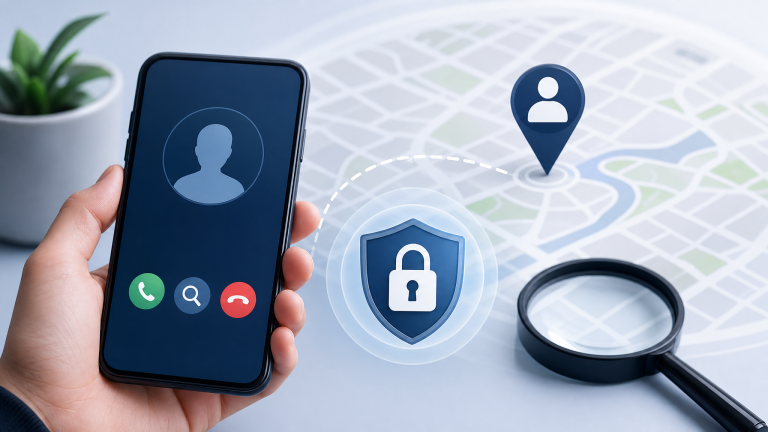
A typical report may include the owner’s name, current or previous address, possible relatives, associated email addresses, social profiles, age range, phone carrier, and location history. Some platforms also provide background report options, though those often cost more and may be subject to legal restrictions.
For better accuracy, avoid relying on a single result. Cross-check the phone number with another lookup tool, a search engine, or a social media platform. If several sources point to the same name and location, the match is more likely to be reliable.
Popular People Finder Tools for Phone Number Searches
Several well-known services offer phone number lookup and people search features. Each platform has different data sources, pricing, and report depth, so the best choice depends on whether you need a quick identity check or a more detailed report.
| Tool | Best For | Notable Features | Pricing Style |
|---|---|---|---|
| Whitepages | Basic identity and address lookups | Reverse phone lookup, address search, possible owner details | Free limited results with paid premium reports |
| Spokeo | Aggregated people search reports | Phone, email, username, and address search options | Subscription-based access with paid reports |
| BeenVerified | Broad public-record searches | Reverse phone lookup, background-style reports, mobile app access | Monthly membership model |
| Truecaller | Caller ID and spam detection | Crowdsourced caller identification and spam alerts | Free version with premium upgrades |
| Intelius | Detailed people search reports | Phone lookup, address history, possible relatives, public records | Paid reports or subscription options |
Whitepages is often useful for quick checks, especially for landline numbers. Spokeo and BeenVerified are broader people finder platforms that combine multiple data points into one report. Truecaller is more focused on caller identification and spam protection, making it practical for unknown incoming calls. Intelius may be useful when you want a more detailed report, though pricing and available data can vary.
Legal Considerations When Using People Finder Services
Using a people finder service is generally legal when the search is for a legitimate personal purpose, such as reconnecting with someone, identifying an unknown caller, or verifying contact information. Problems arise when the information is used for harassment, stalking, discrimination, fraud, or decisions that require regulated background checks.
In the United States, the Fair Credit Reporting Act restricts how consumer information can be used. Most people finder sites are not consumer reporting agencies, which means their reports typically cannot be used for employment screening, tenant screening, credit decisions, insurance eligibility, or similar purposes.
Consent matters, especially if you plan to contact someone or use their personal details beyond a casual lookup. If the person has not given permission, keep your search limited, respectful, and lawful. Misusing personal information can lead to civil claims, account bans, restraining orders, or criminal consequences depending on the behavior and jurisdiction.
Challenges and Limitations of People Finder Tools
Phone number searches are helpful, but they are not perfect. A number may be unlisted, recently reassigned, associated with a family plan, linked to a business account, or registered under someone else’s name. Mobile numbers also change hands more often than many people realize.
Common reasons for incomplete or inaccurate results include:
- Outdated public records or old address information.
- Numbers transferred between carriers or owners.
- VoIP numbers, prepaid phones, or temporary numbers.
- Shared household landlines or family mobile plans.
- Data pulled from marketing lists rather than verified records.
False positives can happen when a database links a number to a previous owner or a relative. If the result seems questionable, compare it with other details before taking action. Look for consistency across name, city, age range, and associated addresses rather than trusting one field alone.
Privacy Concerns and Ethical Implications
People finder services raise real privacy concerns because they make personal information easier to access. Even if the data comes from public or semi-public sources, combining it into a single searchable report can feel intrusive to the person being searched.
Ethical use starts with intent. Searching for an old friend, confirming a missed call from a business contact, or checking whether a number is linked to a scam is very different from monitoring someone without their knowledge or using the information to pressure them.
To reduce risk, avoid saving or sharing reports unnecessarily, do not publish someone’s personal details, and stop contacting a person if they do not want communication. If you are concerned about your own privacy, many people finder websites offer opt-out pages where you can request removal of your listing.
Alternative Methods for Finding People by Phone Number
A people finder is not the only way to identify a phone number. Sometimes free or more direct methods work better, especially if the number is connected to an active online profile or business listing.
Search engines and social platforms
Entering the phone number in Google or Bing may reveal business pages, classified ads, public posts, or directory listings. Social media platforms can also help if the user has connected their phone number to an account and made that information searchable.
Reverse phone lookup services
Reverse phone lookup tools focus specifically on identifying the owner or type of number. They may show whether a number is mobile, landline, VoIP, toll-free, or flagged as spam. People finder platforms usually go further by linking the number to broader personal records.
Professional locator services
If the situation involves legal documents, debt recovery, missing persons, estate matters, or sensitive family issues, a licensed investigator or professional locator may be more appropriate. These professionals understand legal boundaries and may have access to verified databases not available through consumer people finder sites.
Conclusion
With the right approach and a clear understanding of the tools available, finding people by their phone numbers can be a simple and effective process. People finder services can help identify unknown callers, reconnect with contacts, and verify basic information, but they should be used with care.
The best results come from comparing multiple sources, understanding the limits of public records, and respecting privacy. A phone number can be a useful starting point, but responsible use matters just as much as the search itself.
FAQ
Is it legal to use a people finder service?
Yes, as long as you comply with privacy laws and obtain necessary consent when appropriate. You should not use people finder data for harassment, fraud, stalking, or regulated decisions such as employment, housing, credit, or insurance screening.
What information can I find using a phone number?
You may find a name, current or previous address, previous locations, email addresses, possible relatives, carrier type, and related public records. The exact information depends on the provider and the number being searched.
Are people finder services free?
Many offer basic information for free, but more detailed reports usually require a one-time payment or subscription. Free results may only show limited details such as city, state, or phone type.
What should I do if I find incorrect information?
Contact the service provider to report inaccuracies and request correction or removal. If the incorrect information is about you, look for the site’s opt-out or privacy removal process.
How accurate is the information provided by people finders?
Accuracy varies by provider and by the quality of the data collected. Cross-referencing results with other sources is the safest way to confirm whether a match is reliable.