How to Tell If a Phone Number Is Fake
Knowing how to tell if a phone number is fake can help you avoid scam calls, phishing attempts, identity theft, and unwanted spam. Fake numbers are often used to hide a caller’s real identity, impersonate trusted organizations, or pressure people into sharing sensitive information.
A suspicious number is not always fraudulent, but it should be verified before you call back, click a text link, send money, or provide personal details. The safest approach is to check the number through multiple sources and watch for warning signs in the caller’s behavior.
Understanding Fake Phone Numbers
A fake phone number is a number that does not reliably identify the person or organization contacting you. It may be temporary, spoofed, virtual, disconnected, or intentionally created to avoid traceability. Some fake numbers are used for harmless privacy reasons, but many are connected to scams, robocalls, phishing texts, and fraudulent business listings.
Common types of fake or misleading phone numbers include:
- Spoofed numbers: The caller ID is manipulated to show a number that is not actually being used by the caller.
- VoIP numbers: Internet-based numbers that can be created quickly and may not be tied to a physical location.
- Temporary or burner numbers: Short-term numbers used for signups, marketplaces, dating apps, or anonymous communication.
- Disconnected numbers: Numbers that appear on caller ID but cannot be reached when called back.
- Impersonation numbers: Numbers designed to look like they belong to a bank, government agency, delivery company, or tech support team.
Fake numbers often appear in situations involving prize scams, fake debt collection, bank fraud alerts, suspicious job offers, online marketplace transactions, and account verification messages. The risk is not just the call itself. Responding to a fake number may confirm that your phone line is active, which can lead to more spam, targeted scams, or attempts to steal personal information.
Characteristics of Fake Phone Numbers
There is no single sign that proves a number is fake, but several details can raise concern. The more warning signs you see, the more cautious you should be.
Unusual Area Codes
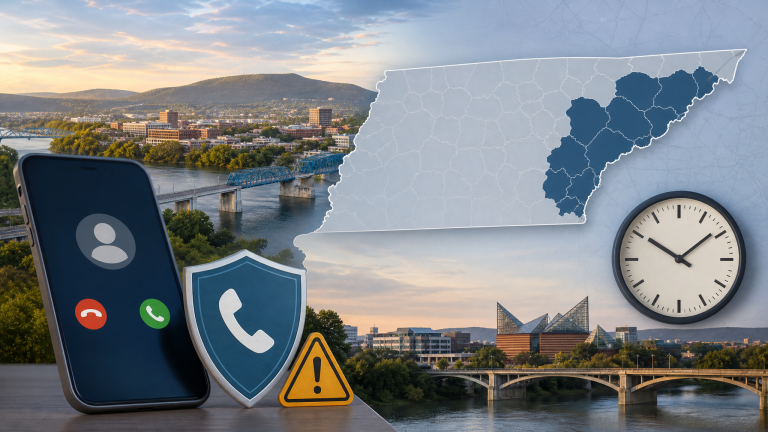
A strange area code does not automatically mean a number is fake, but it can be a clue. Scammers often use unfamiliar domestic area codes, international prefixes, or numbers that appear local even though the caller is elsewhere. This tactic, known as neighbor spoofing, makes the call feel more trustworthy by matching your area code or nearby exchange.
Inconsistent Number Formatting
Fake or suspicious numbers may appear with unusual spacing, missing digits, extra digits, or odd country codes. Text messages from long numeric strings, email-like sender IDs, or numbers formatted differently across messages should be treated carefully, especially if they include links or urgent instructions.
No Verifiable Information
Legitimate businesses, medical offices, schools, and agencies usually leave a trace online. If a reverse phone lookup shows no owner details, no business listing, no address match, and no credible search results, the number may be fake, newly created, or intentionally hidden. Lack of information is not proof of fraud, but it is a reason to verify before responding.
Methods to Verify Phone Number Legitimacy
The best way to check a suspicious caller is to combine several verification methods. A single search result can be incomplete, outdated, or misleading.
Use a Reverse Phone Lookup Tool
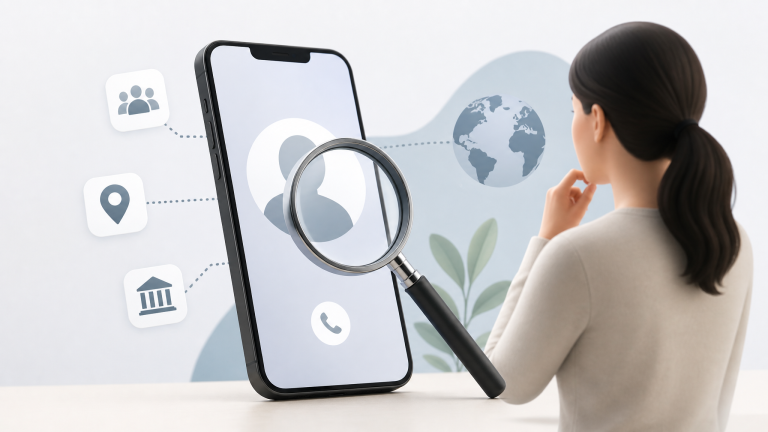
A reverse phone lookup can help identify whether a number is linked to a person, business, carrier, location, or spam activity. Results may include the line type, possible owner, address history, business name, and public records. This is one of the fastest ways to begin verifying an unknown caller.
Cross-Reference Spam Databases
Spam call databases and caller complaint platforms collect user reports about telemarketers, robocalls, scam attempts, and suspicious text messages. If many people report the same number for fraud, fake delivery notices, loan offers, or impersonation, treat the number as high risk.
Search the Number Online
Enter the full number in quotation marks in a search engine. Look for matches on official websites, business directories, complaint boards, social media pages, and consumer protection forums. Be careful with search results that only repeat the number without context, as low-quality pages may not confirm legitimacy.
Contact the Organization Directly
If the caller claims to represent a bank, government office, delivery service, utility provider, or employer, do not use the phone number they gave you. Visit the official website or use the number printed on your card, statement, app, or account portal. Ask whether they contacted you.
Signs of a Scam Call
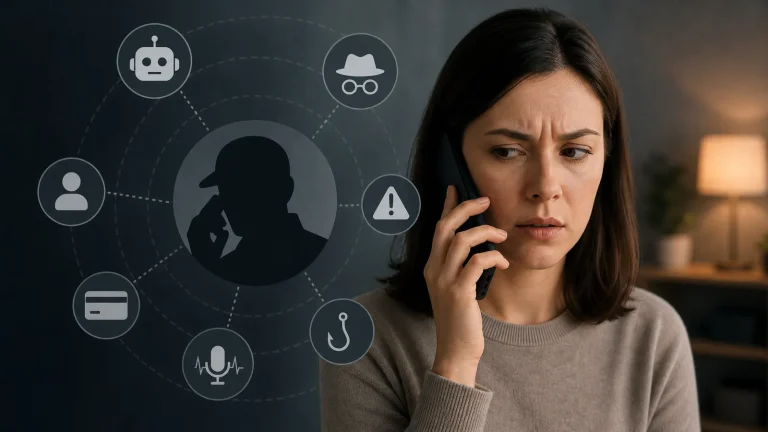
Caller behavior often reveals more than the number itself. A real phone number can be spoofed, so even a familiar-looking caller ID should not be trusted blindly.
- Urgent pressure: The caller says you must act immediately to avoid arrest, account closure, legal action, or financial loss.
- Requests for sensitive information: They ask for your Social Security number, banking login, one-time passcode, credit card number, or full date of birth.
- Unusual payment methods: They demand gift cards, cryptocurrency, wire transfers, payment apps, or prepaid debit cards.
- Robocall language: The message is automated, vague, or prompts you to press a number to “confirm” personal information.
- Refusal to verify identity: The caller avoids giving a company name, department, callback number, license number, or written documentation.
- Too-good-to-be-true offers: You are told you won a prize, qualify for debt relief, or can receive money after paying a fee.
- Caller ID mismatch: The displayed name does not match the caller’s claim, location, or organization.
If a caller becomes aggressive, evasive, or overly personal, end the call. Legitimate organizations do not need to threaten you or force instant decisions over the phone.
Tools for Identifying Fake Phone Numbers
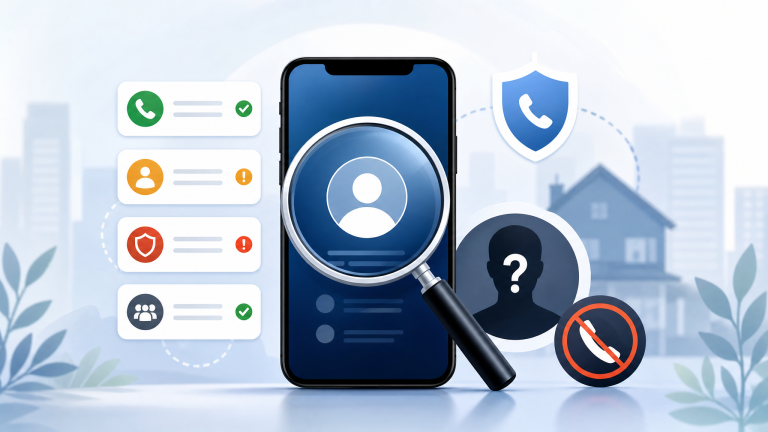
Different tools answer different questions. A reverse lookup may identify ownership, while a spam detection app may show whether other users have reported the number. Caller ID services can help screen calls before you answer.
| Tool Type | Best For | What to Look For |
|---|---|---|
| Reverse phone lookup tools | Identifying possible owners, locations, carriers, and line types | Name matches, business records, VoIP status, address consistency |
| Spam call detection apps | Flagging robocalls, telemarketers, and reported scam numbers | High report volume, scam labels, recent complaint patterns |
| Caller ID services | Screening unknown numbers before answering | Verified business labels, carrier warnings, “spam likely” alerts |
| Search engines and complaint sites | Finding public reports and user experiences | Repeated scam descriptions, impersonation claims, phishing links |
For the best results, use more than one tool. If a reverse lookup shows no clear identity and a spam database has multiple complaints, the number deserves caution. If the number appears to belong to a real company, still verify it through the company’s official website before sharing information.
Preventing Scam Calls and Protecting Yourself
You cannot stop every fake number from reaching your phone, but you can reduce exposure and limit the damage if one gets through.
- Do not answer calls from unknown numbers unless you are expecting one.
- Let suspicious calls go to voicemail and review the message calmly.
- Never share verification codes, passwords, banking details, or government ID numbers over an unsolicited call.
- Block numbers that send spam texts or repeated unwanted calls.
- Use your phone’s built-in spam filtering and silence unknown caller features.
- Register with available do-not-call services where applicable.
- Report scam calls to your carrier, consumer protection agency, or the platform where the contact occurred.
- Keep your phone number off public profiles, classified ads, and unsecured websites when possible.
If you receive a suspicious text, avoid clicking links or downloading attachments. Go directly to the official website or app instead. If you already shared sensitive information, contact your bank, change passwords, enable two-factor authentication, and monitor your accounts for unusual activity.
Conclusion: Staying Safe from Phone Scams
Learning how to tell if a phone number is fake comes down to checking both the number and the caller’s behavior. Look for unusual formatting, spoofed caller ID patterns, missing ownership details, spam reports, and pressure tactics. A legitimate caller should be easy to verify and willing to let you call back through an official channel.
Use reverse phone lookup tools, spam databases, caller ID services, and direct organization verification before responding to unknown numbers. If something feels rushed, secretive, or threatening, hang up and investigate. A few minutes of verification can prevent financial loss, identity theft, and ongoing spam.
FAQ
What should I do if I think I’ve been contacted by a fake number?
Stop communicating with the caller or sender immediately. Do not click links, call back, send money, or provide personal details. Block the number and report it through your phone carrier, spam reporting tools, or the appropriate consumer protection agency.
Can fake phone numbers be traced?
In some cases, yes. Reverse phone lookup tools, carrier data, law enforcement resources, and spam databases may help identify the source. Results vary because spoofed numbers and temporary VoIP numbers can be difficult to trace back to the actual caller.
How can I protect my phone number from being spoofed?
You cannot fully prevent criminals from spoofing your number, but you can reduce risk by keeping your number private, avoiding public listings, limiting app permissions, using carrier security features, and reporting spoofing incidents. If people contact you about calls you did not make, tell them your number may have been spoofed.
What are the signs that a number is associated with a scam?
Common signs include unfamiliar or mismatched area codes, urgent demands, robocall messages, requests for personal information, suspicious payment instructions, and multiple online complaints. A number that cannot be verified through reliable sources should be treated with caution.