Area Code 213: Location, Time Zone, and Scam Awareness Guide
Area Code 213: Location, Time Zone, and Scam Awareness Guide covers what you need to know about one of Los Angeles’s most recognizable area codes, including where it is used, what time zone it follows, and how to handle unfamiliar calls safely.
Because 213 numbers are associated with central Los Angeles, they may belong to residents, local businesses, government offices, healthcare providers, delivery services, or callers using spoofed caller ID. Knowing how to verify a number can help you separate legitimate calls from potential scams.
Understanding Area Code 213
Area code 213 is a California telephone area code closely tied to central Los Angeles. It was one of the original North American area codes introduced in 1947 and has long been associated with Downtown Los Angeles and nearby urban neighborhoods.
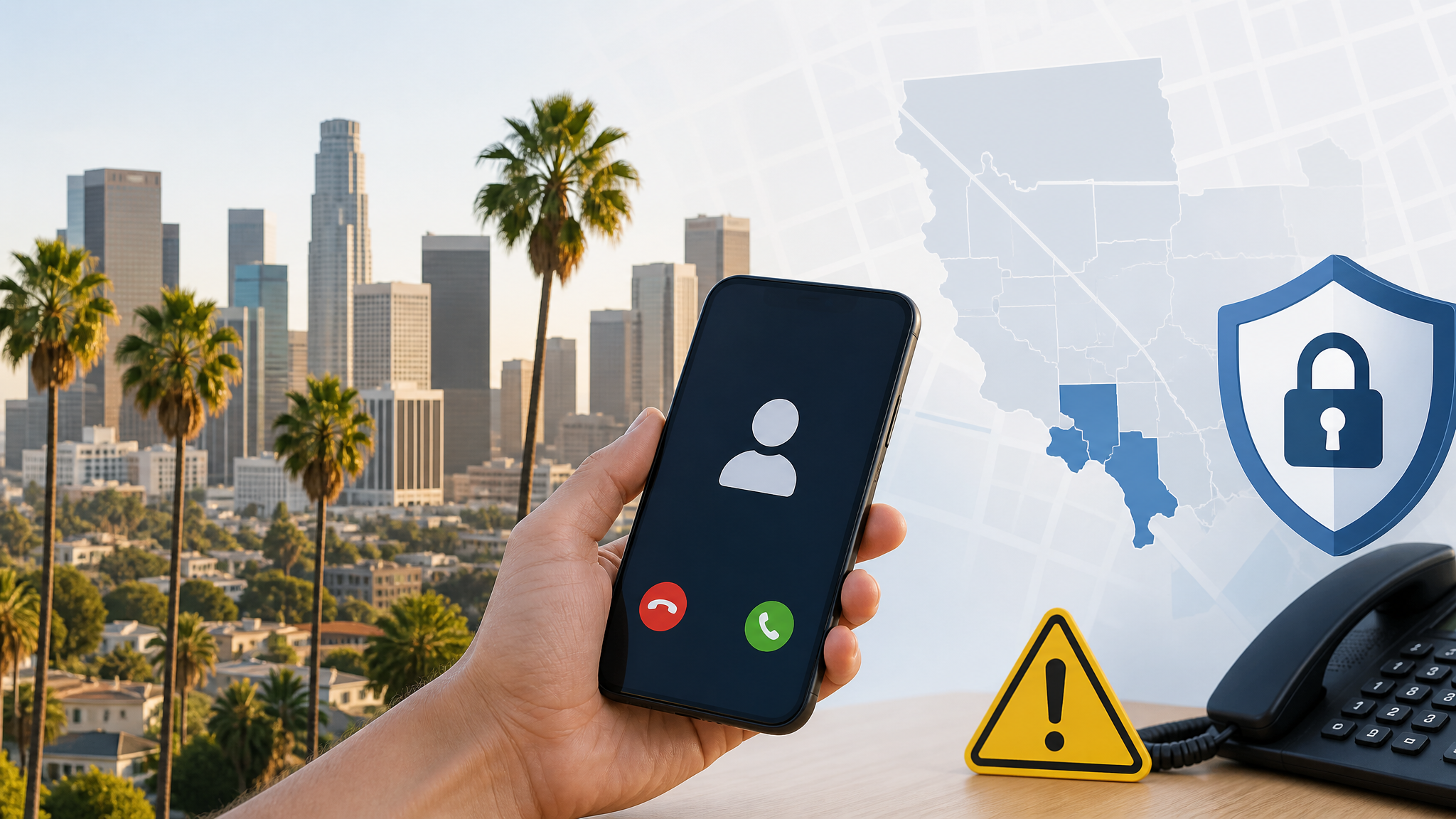
Today, 213 is part of an overlay system with area code 323, meaning both area codes can serve the same general region. In practical terms, a caller with a 213 number is not necessarily located in one specific block or neighborhood, but the number is strongly connected to the central Los Angeles area.
Area code 213 fits within the North American Numbering Plan, which organizes phone numbers in the United States, Canada, and several other regions. A typical number using this code follows the format 213-XXX-XXXX. Because of overlay area codes, local callers generally need to use 10-digit dialing, including the area code.
- Country: United States
- State: California
- Main metro area: Los Angeles
- Common overlay: 323
- Dialing format: 10-digit dialing is standard
Location and Demographics of Area Code 213
Area code 213 is primarily associated with central Los Angeles, especially Downtown LA and surrounding neighborhoods. The exact coverage can vary because of overlays and number portability, but 213 is commonly linked to areas such as Downtown Los Angeles, Koreatown, Westlake, Pico-Union, Chinatown, and parts of nearby central LA communities.
The area includes dense residential zones, major commercial districts, entertainment venues, government buildings, hospitals, universities, and transportation hubs. That mix creates heavy phone usage from businesses, service providers, residents, public agencies, and visitors.
Central Los Angeles is one of the most diverse urban areas in the country. Many communities in and around the 213 area include multilingual households, immigrant-owned businesses, students, professionals, and long-established local residents. For telecommunications, this means legitimate calls may come from a wide range of organizations, including bilingual customer service teams, clinics, schools, delivery companies, legal offices, and city departments.
The area also carries major cultural and economic significance. Landmarks and districts associated with the 213 region include Downtown LA, the Financial District, the Arts District, Little Tokyo, Grand Central Market, Crypto.com Arena, Walt Disney Concert Hall, Union Station, and the Los Angeles Convention Center.
Time Zone of Area Code 213
Area code 213 follows the Pacific Time Zone. During standard time, it observes Pacific Standard Time, which is UTC-8. During daylight saving time, it observes Pacific Daylight Time, which is UTC-7.
| Period | Time Zone | UTC Offset |
|---|---|---|
| Standard time | Pacific Standard Time | UTC-8 |
| Daylight saving time | Pacific Daylight Time | UTC-7 |
Daylight saving time usually begins in March and ends in November. If you are calling a 213 number from another state or country, check the current Los Angeles time before placing a business call, scheduling an appointment, or returning a missed call.
For example, a 9:00 a.m. call in Los Angeles is noon in New York during most of the year. If you are dealing with a company, medical office, or government agency using area code 213, calling during normal Pacific business hours improves your chance of reaching a live representative.
Scam Awareness in Area Code 213
Calls from area code 213 can be legitimate, but scammers may spoof 213 numbers to appear local, familiar, or business-related. Caller ID spoofing allows a scammer to display a number that looks like it belongs to Los Angeles even when the call originates elsewhere.
Common scams reported by consumers across Los Angeles and other large metro areas include fake government calls, bank fraud alerts, package delivery messages, tech support scams, debt collection threats, prize scams, charity fraud, and impersonation of utility companies.
Warning signs of a scam call include:
- Pressure to act immediately or keep the call secret
- Requests for Social Security numbers, banking details, passwords, or verification codes
- Demands for payment by gift card, wire transfer, cryptocurrency, or payment app
- Threats of arrest, account closure, deportation, or service shutoff
- Caller ID that looks local but does not match the organization’s official number
- Robotic messages asking you to press a number to avoid a penalty
California consistently ranks high in total fraud and identity theft reports, largely because of its large population and major metropolitan areas such as Los Angeles. Nationally, unwanted calls and text scams remain among the most common consumer complaints reported to agencies such as the Federal Trade Commission and the Federal Communications Commission. In a dense area like 213, scammers may target both residents and businesses because local-looking numbers often get answered more often than unfamiliar out-of-state numbers.
How to Identify Unknown Callers from Area Code 213
If you receive a call from an unknown 213 number, avoid assuming it is safe simply because it appears local. A quick verification process can reduce the risk of fraud while still allowing you to respond to legitimate callers.
Start by letting unknown calls go to voicemail. Legitimate callers often leave a clear message with their name, company, reason for calling, and a callback number. Scammers frequently leave vague, threatening, or automated messages.
Useful ways to check a 213 number include:
- Use a reverse phone lookup: Search the number to see whether it is linked to a business, person, spam report, or public listing.
- Check the official website: If the caller claims to represent a bank, clinic, government office, or company, compare the number with the organization’s published contact page.
- Search the full number online: Other users may have reported the same number as spam, telemarketing, or fraud.
- Review voicemail quality: Legitimate organizations usually provide specific details; scams often rely on urgency and fear.
- Call back safely: Do not use a number provided in a suspicious message. Use the official number from the company’s website or your account statement.
A phone number lookup service can be especially helpful for area code 213 because the region includes many legitimate callers. Reverse lookup results may show carrier information, location clues, user reports, business names, and spam risk indicators.
Reporting and Blocking Scams from Area Code 213
If a call from a 213 number seems suspicious, do not provide personal information. Hang up, document the number, save any voicemail or text message, and report the incident through the proper channels.
You can report scam calls and related fraud to:
- FTC: Report fraud and unwanted calls at ReportFraud.ftc.gov.
- FCC: File complaints about robocalls, spoofing, and unwanted communications at fcc.gov/complaints.
- California Attorney General: Use state consumer protection resources for California-specific complaints.
- Your phone carrier: Many carriers allow customers to report spam calls or texts directly.
- Local law enforcement: Contact police if you lost money, shared sensitive information, or were threatened.
To block unwanted calls from area code 213, use your phone’s built-in blocking tools or a reputable call-blocking app. On most smartphones, you can open the recent call list, tap the number, and choose the option to block or report spam.
For broader protection, enable carrier-level spam filtering if your provider offers it. You can also register your number with the National Do Not Call Registry, although scammers may ignore it. The registry is still useful for reducing calls from legitimate telemarketers that follow the law.
Recommended Tools for Caller Identification
The best caller identification method depends on what you need to verify. A reverse phone lookup is useful for researching an unknown 213 number, while call-blocking apps are better for screening calls in real time.
| Tool Type | Best For | What to Look For |
|---|---|---|
| Reverse phone lookup websites | Researching missed calls and unknown numbers | Caller name, business records, carrier data, location clues, user reports |
| Mobile caller ID apps | Real-time spam warnings | Large spam database, caller labels, automatic blocking options |
| Carrier spam protection | Blocking high-risk calls before they ring | Network-level filtering, robocall detection, free basic protection |
| Search engines | Quick checks on business numbers | Official listings, reviews, complaint pages, public directories |
For best results, compare information from more than one source. A single listing may be outdated, especially because phone numbers can be reassigned or spoofed. If a caller claims to be from a known company, the safest step is to contact that company through its official website or app instead of calling back the suspicious number directly.
Conclusion
Understanding area code 213 means knowing more than its connection to central Los Angeles. It also means recognizing the Pacific Time Zone, the local business and residential environment, and the risks created by spoofed caller ID.
Use reverse phone lookup tools, voicemail screening, official contact pages, and call-blocking features to verify unfamiliar 213 numbers. Many calls from area code 213 are legitimate, but a cautious approach helps protect your personal information, money, and accounts.
FAQ
What is Area Code 213 used for?
Area code 213 is primarily used for the central region of Los Angeles, California, including Downtown LA and nearby neighborhoods. It is used by residents, businesses, public agencies, and service providers.
How can I tell if a call from Area Code 213 is a scam?
Look for warning signs such as high-pressure tactics, requests for personal information, threats, unusual payment demands, or vague claims from an unfamiliar number. If the caller says they represent a company or agency, verify the claim through the organization’s official contact information.
What should I do if I receive a suspicious call from Area Code 213?
Do not provide personal information or payment details. Hang up, save the number, check it with a reverse phone lookup, and report the call to the FTC, FCC, your carrier, or the appropriate consumer protection agency.
Are there any legitimate businesses using Area Code 213?
Yes. Many legitimate businesses, medical offices, government departments, restaurants, hotels, entertainment venues, and professional services use 213 numbers. Verification is better than assuming every unknown 213 call is a scam.
Can I block unwanted calls from Area Code 213?
Yes. You can block individual numbers through your smartphone settings, enable spam protection from your mobile carrier, or use a trusted call-blocking app to reduce unwanted calls and suspected robocalls.