Area Code 323: Location, Time Zone, and Scam Awareness Guide
Area Code 323: Location, Time Zone, and Scam Awareness Guide explains where 323 numbers are used, what time zone they follow, and how to handle suspicious calls that appear to come from this Los Angeles-area code.
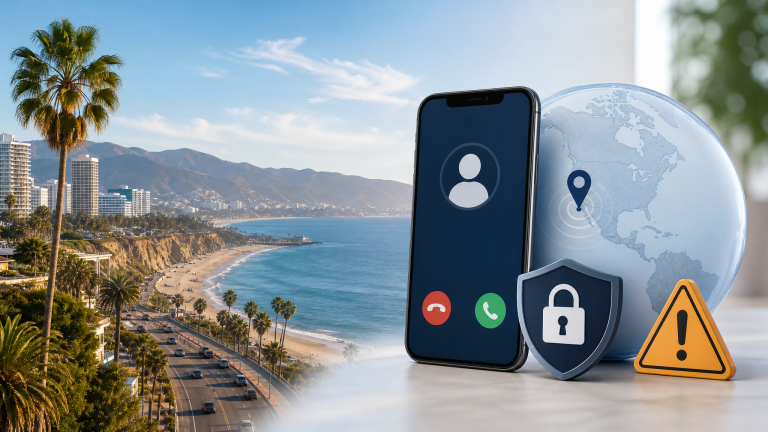
Area code 323 is closely associated with Los Angeles and nearby communities. Because it serves a large, busy metro area, calls from 323 may come from legitimate businesses, residents, service providers, or automated systems. At the same time, scammers can spoof 323 numbers to look local and trustworthy, so caller verification is worth taking seriously.
Understanding Area Code 323
Area code 323 is a California telephone area code serving parts of Los Angeles County. It is commonly linked to neighborhoods and communities in and around central Los Angeles, including East Los Angeles, Hollywood, Koreatown, Silver Lake, Echo Park, and other nearby areas.
The 323 area code was created in 1998 when it was split from area code 213. As demand for phone numbers grew due to mobile phones, business lines, fax lines, and internet-connected services, Los Angeles needed additional numbering capacity. Today, area codes 213 and 323 operate as an overlay in the same general region, which means multiple area codes can serve the same geographic area.
Places commonly associated with area code 323 include:
- Los Angeles neighborhoods outside parts of the downtown core
- East Los Angeles
- Hollywood and nearby entertainment districts
- Koreatown and Mid-City areas
- Silver Lake, Echo Park, and surrounding communities
- Portions of Culver City and nearby Los Angeles County areas
Because number portability allows people and businesses to keep phone numbers when they move or change carriers, a 323 number does not always guarantee that the caller is physically located in Los Angeles.
Time Zone of Area Code 323
Area code 323 is in the Pacific Time Zone. Like most of California, the region observes Pacific Standard Time during the winter months and Pacific Daylight Time during daylight saving time.
| Time Period | Time Zone | UTC Offset |
|---|---|---|
| Standard time | Pacific Standard Time | UTC-8 |
| Daylight saving time | Pacific Daylight Time | UTC-7 |
The time zone can help you judge whether a call seems normal. For example, a business call from a 323 number during Los Angeles business hours may be expected. A repeated call late at night, especially one demanding immediate action, should be treated with caution.
Scammers do not always follow local calling patterns. Many use autodialers and spoofed numbers from outside the region, so a 323 caller ID can appear at odd hours or be used in campaigns targeting people across the country.
Common Scams Associated with Area Code 323
There is nothing inherently unsafe about area code 323, but scammers often spoof recognizable area codes to make calls look local. A spoofed number can display a 323 prefix even when the caller is operating from another state or country.
Common phone scams that may appear from 323 numbers include:
- Impersonation scams: Callers pretend to represent the IRS, Social Security Administration, law enforcement, banks, delivery companies, or utility providers.
- Payment demand scams: The caller pressures you to pay immediately using gift cards, cryptocurrency, wire transfers, or payment apps.
- Tech support scams: A caller claims your computer, phone, or online account has been compromised and asks for remote access.
- Prize or sweepstakes scams: You are told you won money or a package, but must pay fees or provide personal details first.
- Account verification scams: The caller asks for one-time passcodes, passwords, Social Security numbers, or banking information.
Warning signs include urgent threats, requests for secrecy, poor call quality, inconsistent caller information, and pressure to act before you can verify the claim. Legitimate organizations rarely demand sensitive information or immediate payment over an unexpected phone call.
How to Identify Unknown Callers from Area Code 323
If you receive an unfamiliar call from area code 323, avoid relying on caller ID alone. Caller ID can be spoofed, and many legitimate callers use shared business lines or call centers that may not clearly identify the organization.
A reverse phone lookup can help you check whether a number is connected to a person, business, spam report, robocall pattern, or known scam complaint. These tools may show carrier details, approximate location, user-submitted reports, and whether the number has been flagged as suspicious.
Before calling back or sharing information, consider these verification steps:
- Search the full 10-digit number, not just the 323 area code.
- Use a reverse phone lookup tool to check available caller details.
- Look for repeated complaints about robocalls, fraud, or unwanted sales calls.
- If the caller claims to represent a company, visit the company’s official website and call the published number directly.
- Do not use callback numbers provided in suspicious voicemails or text messages.
Caller verification is especially useful if the call involves money, legal threats, account access, medical information, or identity documents.
Preventing Phone Scams in Area Code 323
The best defense against scam calls is a cautious routine. You do not need to answer every unknown number, even if it appears to be local. If the call is legitimate, the caller can usually leave a voicemail or contact you through another verified channel.
Use these practices to reduce risk:
- Let unknown calls go to voicemail when possible.
- Never provide passwords, PINs, one-time codes, or Social Security numbers to an unexpected caller.
- Be skeptical of callers who create panic or demand immediate payment.
- Hang up and contact the organization directly using an official phone number.
- Enable spam protection features through your mobile carrier or phone settings.
- Register your number with the National Do Not Call Registry to reduce legal telemarketing calls.
If you suspect a scam call from area code 323, end the conversation without arguing. Do not press buttons to “remove yourself” from a suspicious robocall, as this can confirm that your number is active. Block the number and report it when appropriate.
Reporting and Blocking Scam Calls from Area Code 323
Reporting scam calls helps regulators, carriers, and call-blocking services identify abusive numbers and patterns. While one report may not stop a scam immediately, large volumes of reports improve spam detection for everyone.
You can report suspicious calls to:
- FTC: Report fraud and unwanted calls through ReportFraud.ftc.gov.
- FCC: File complaints about unwanted calls, caller ID spoofing, and robocalls.
- Your mobile carrier: Many carriers accept spam reports and offer call filtering tools.
- Phone lookup and spam databases: User reports help warn others searching for the same number.
- Local law enforcement: Contact them if you lost money, shared sensitive information, or received threats.
Most smartphones also allow you to block individual numbers from the recent calls screen. For broader protection, consider carrier-level spam filtering or a trusted call-blocking app. Community reporting matters because scam operations frequently rotate numbers, including spoofed 323 numbers, to avoid detection.
Recommended Tools for Caller Identification and Scam Prevention
Several tools can help you verify callers and reduce unwanted calls from area code 323. No tool is perfect, but combining reverse lookup, carrier filtering, and cautious call habits gives you stronger protection.
Reverse phone lookup services
Reverse phone lookup tools can help identify whether a number is associated with a business, individual, VoIP provider, robocall activity, or scam complaints. These services are useful before returning a missed call or responding to a voicemail.
Spam-blocking apps and carrier tools
Major mobile carriers offer spam alerts, call screening, and automatic blocking features. Third-party apps can also identify likely robocalls and warn you before you answer. Choose reputable services with clear privacy policies, since call-blocking apps may require access to call data.
Scam alert resources
For current fraud trends, check alerts from the FTC, FCC, state consumer protection agencies, and trusted cybersecurity organizations. Scam tactics change quickly, but the core warning signs remain similar: urgency, secrecy, payment pressure, and requests for sensitive information.
FAQ
What cities are covered by Area Code 323?
Area Code 323 covers several key areas in Los Angeles County, including Los Angeles, East Los Angeles, Hollywood, Koreatown, Silver Lake, Echo Park, and portions of Culver City and surrounding communities.
What is the time zone for Area Code 323?
Area Code 323 is located in the Pacific Time Zone. It follows Pacific Standard Time during standard time and Pacific Daylight Time during daylight saving time.
How can I block scam calls from Area Code 323?
You can block scam calls by using your phone’s built-in blocking feature, enabling spam protection from your carrier, installing a trusted call-blocking app, and reporting suspicious numbers to spam databases or authorities.
How do I verify if a call from Area Code 323 is a scam?
Use a reverse phone lookup service to check the full number, review spam reports, and verify the caller through an official website or published business phone number. Do not trust caller ID alone.
What should I do if I receive a suspicious call from Area Code 323?
Do not provide personal or financial information. Hang up, block the number, check the caller through a reverse phone lookup, and report the call if it appears fraudulent or threatening.
Being informed about Area Code 323 can help you navigate potential scams and make safer phone decisions. Use caller identification tools, verify unknown numbers, and share scam reports when needed to protect yourself and others from unwanted or fraudulent calls.