Can You Reverse Lookup a Cell Phone Number?
Can You Reverse Lookup a Cell Phone Number? Yes, in many cases you can use a reverse phone lookup tool to identify who may be behind a mobile number, verify an unknown caller, and reduce your risk of answering spam calls or scams.
Cell phone numbers are often harder to trace than landlines because mobile numbers are not always listed in public directories. Still, modern phone number lookup services can compare carrier data, public records, user reports, spam databases, and caller ID information to provide useful details about an unknown number.
Understanding Reverse Phone Lookup
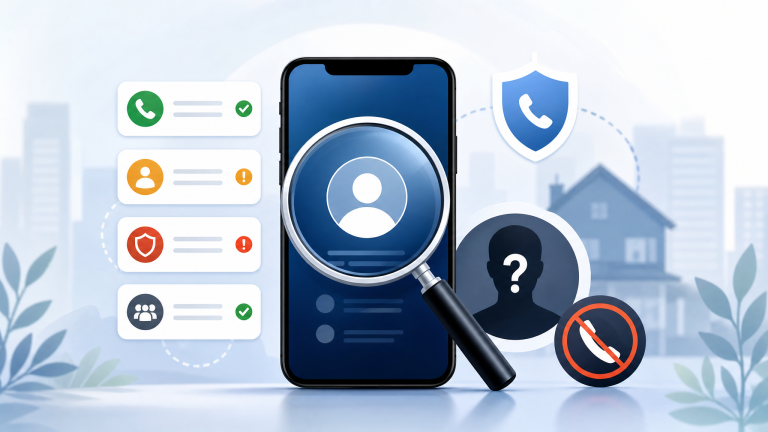
A reverse phone lookup is a search that starts with a phone number instead of a person’s name. You enter the number, and the lookup service attempts to return information such as the caller’s name, general location, line type, carrier, and possible spam or scam reports.
The purpose is simple: caller identification. If you missed a call from an unfamiliar number, received repeated robocalls, or want to verify whether a caller is legitimate, a reverse lookup can provide context before you call back or respond.
Mobile vs. landline reverse lookup
Landline numbers are usually easier to identify because they have historically been tied to public phone directories. Cell phone numbers are more private, frequently reassigned, and often protected by carrier privacy rules. As a result, a mobile number lookup may return less information than a landline search, especially if the number is new, prepaid, or rarely reported online.
Common reasons people perform a reverse lookup include:
- Finding out who called from an unknown cell phone number
- Checking whether a number has been reported for spam, fraud, or telemarketing
- Verifying a business, delivery driver, contractor, or service provider
- Screening suspicious texts, missed calls, or voicemail messages
- Confirming whether a caller’s stated identity matches available records
How to Perform a Reverse Lookup on a Cell Phone Number
Using a reverse lookup service is usually straightforward, but small details matter. Entering the wrong digit or leaving out the area code can lead to inaccurate or incomplete results.
Step-by-step guide
- Copy the full phone number. Include the area code and country code if available.
- Enter the number into a reverse phone lookup tool. Use a reputable website that explains its data sources and privacy practices.
- Review the basic results. Look for the line type, carrier, general location, and spam risk indicators.
- Compare details carefully. If a name, location, or business listing appears, check whether it matches the context of the call.
- Decide how to respond. If the number looks suspicious, avoid calling back directly, clicking links, or sharing personal information.
For the most reliable results, search the number exactly as it appeared on your caller ID, then try a second format if needed. For example, search with and without the country code. If the call came from outside your country, use the international format.
Reliable reverse phone search results usually come from multiple matching signals. A single outdated listing may be wrong, but a number that appears in public records, user spam reports, and business directories is easier to evaluate.
Recommended Tools for Cell Phone Number Lookup
There are several types of tools you can use to reverse lookup a cell phone number. Some focus on basic caller identification, while others provide deeper background information through paid reports.
| Tool Type | Best For | Typical Information Provided | Cost |
|---|---|---|---|
| Free reverse phone lookup websites | Quick checks on unknown callers | Line type, general location, spam reports, possible carrier | Free |
| Paid phone lookup services | More detailed ownership and public record data | Possible owner name, address history, associated people, deeper records | Paid report or subscription |
| Caller ID and spam-blocking apps | Real-time call screening | Spam labels, community reports, business names, call blocking | Free or premium |
| Search engines and social platforms | Finding publicly posted numbers | Business pages, classified ads, forum posts, social profiles | Free |
Free vs. paid lookup tools
Free tools are useful for basic screening. They can help you see whether a number is connected to robocalls, debt collection, telemarketing, or user-reported scams. Paid tools may offer more detailed records, but they are not always necessary for everyday caller identification.
Before paying for a report, check user reviews, refund policies, data update frequency, and whether the service clearly explains what information may or may not be available. Be cautious with websites that promise guaranteed owner names for every cell phone number; no legitimate service can guarantee complete results for all mobile numbers.
Strong lookup websites tend to have clear ratings from users, transparent pricing, updated spam databases, and easy opt-out or privacy request options. Review patterns matter more than a single rating: repeated complaints about outdated results or hidden fees are warning signs.
Identifying Unknown Callers and Avoiding Spam
A reverse lookup can help you separate legitimate calls from suspicious ones. While no tool can detect every scam, combining phone number lookup results with common warning signs gives you a better risk assessment.
Watch for these red flags:
- The caller pressures you to act immediately or threatens legal action.
- The number is reported by other users for phishing, robocalls, or impersonation scams.
- The caller asks for passwords, verification codes, banking details, or gift card payments.
- The number appears to spoof a local area code but has no credible identity attached.
- The voicemail is vague and does not identify a real company or reason for calling.
Reverse lookup aids caller verification by showing whether a phone number is associated with a known business, a private individual, a VoIP provider, or a high volume of spam complaints. If a caller claims to be from your bank, insurance provider, or government agency, do not rely on the incoming number alone. Look up the official phone number from the organization’s website and call them directly.
Scam risk is highest when the number has multiple negative reports, uses a suspicious caller ID name, or appears in databases linked to fraud campaigns. If the search result shows limited data, treat the call as unverified rather than safe.
Privacy Considerations in Reverse Phone Lookup
Reverse phone lookup is generally legal when used for lawful purposes such as identifying callers, avoiding scams, or verifying contact information. Problems arise when lookup information is used for harassment, stalking, discrimination, doxxing, or other illegal activity.
Privacy rules vary by country and region. Some data may come from public records, marketing databases, business listings, user-submitted reports, or data brokers. A responsible lookup service should provide a privacy policy and explain how users can request removal of personal information where applicable.
How to protect your privacy
- Use reputable lookup services with clear privacy and opt-out policies.
- Avoid entering sensitive personal details unless necessary.
- Do not share lookup reports publicly if they contain private information.
- Request removal from people-search or data broker sites if your own number appears.
- Use built-in phone settings or carrier tools to block unwanted callers.
If a number repeatedly contacts you after you ask them to stop, block it and report it through your phone carrier, the lookup platform, or the relevant consumer protection agency in your area. Reporting spam calls helps improve databases that protect other users.
The Role of Caller Identification in Consumer Safety
Knowing who is calling helps you make safer decisions before engaging with an unknown number. Caller identification can prevent financial loss, protect personal data, and reduce the stress caused by repeated unwanted calls.
Caller ID and reverse lookup work best together. Caller ID displays the name or number presented with the incoming call, while reverse lookup checks that number against external data sources. This matters because caller ID can be spoofed. A scammer may make a call appear as if it comes from a local business, a government office, or even your own area code.
For consumers, the biggest safety benefit is verification. Before returning a missed call, responding to a text, or trusting a caller’s request, you can use a cell phone number lookup to check whether the number has a credible history. That extra step can stop common scams involving fake deliveries, bank alerts, tech support, unpaid bills, and impersonation attempts.
Limitations and Challenges of Reverse Phone Lookup
Although it is possible to reverse lookup a cell phone number, results are not always complete. Mobile numbers change hands, people move, carriers reassign numbers, and many users keep their information private. A lookup tool may identify the carrier or region but not the current owner.
Reverse lookups may fail or return limited results when:
- The number is new or recently reassigned.
- The number belongs to a prepaid phone or VoIP service.
- The owner has opted out of public databases.
- The number is used only for texting, temporary verification, or online accounts.
- The lookup service has limited coverage in that country or region.
Access to phone data also differs by location. Some countries have stronger privacy protections or fewer public directories, which can make international reverse lookup less reliable. Even within the same country, results may vary depending on the data sources used by each service.
A common misconception is that reverse phone lookup can always reveal an exact name and address. In reality, results should be treated as clues, not absolute proof. The best approach is to compare lookup data with the caller’s behavior, voicemail, text content, and any official contact information you can verify independently.
Conclusion
You can reverse lookup a cell phone number effectively when you use accurate number formatting, trustworthy lookup tools, and careful judgment. Free services are often enough for basic spam checks, while paid reports may help when you need deeper public record information.
For the safest results, treat reverse phone lookup as part of a broader caller identification process. Verify suspicious callers through official channels, avoid sharing sensitive information over the phone, and report unwanted calls so others can benefit from updated scam data.
FAQ
Is reverse phone lookup legal?
Yes, reverse phone lookup is legal as long as you use the information for lawful purposes, such as identifying unknown callers, screening spam, or verifying contact details.
Are there free options for reverse phone lookup?
Yes, some websites offer free basic reverse lookup services. Free results may include the line type, general location, carrier, or spam reports, while paid services may provide more detailed information.
What information can I get from a reverse phone lookup?
You can typically find details such as a possible owner name, general location, phone carrier, line type, and whether the number has been associated with scams, robocalls, or telemarketing.
How accurate is reverse phone lookup?
Accuracy varies by service and data source. Reputable services with updated databases often provide reliable information, but mobile number results can still be incomplete or outdated.
Can I use reverse lookup for international numbers?
Some services support international reverse lookup, but coverage varies by country. Results may be limited in regions with stricter privacy rules or fewer public phone records.