How to Check Who Called You
Receiving a call from an unknown number can be unsettling, especially when spam calls, robocalls, and phone scams are common. Learning How to Check Who Called You helps you identify unknown callers, avoid risky conversations, and decide whether to call back, block, or report the number.
The best approach is usually a combination of caller ID, phone settings, manual searches, and reverse phone lookup tools. No single method is perfect, but using several verification steps can give you a much clearer picture of who may be behind the call.
Understanding Caller ID and Its Limitations
Caller ID is a phone feature that displays the incoming caller’s number and, in some cases, a name or business label. Your phone carrier receives signaling information from the caller’s network and passes it to your device, where it appears on your screen before or during the call.
While caller ID is useful, it should not be treated as proof of identity. Scammers often use caller ID spoofing, which lets them make a call appear as if it came from a different number. This can include local numbers, government agencies, banks, delivery companies, or even numbers similar to your own.
- Spoofed numbers: The displayed number may not belong to the real caller.
- Blocked or private numbers: Some callers intentionally hide their information.
- Outdated databases: Caller names may be missing, incorrect, or linked to a previous owner of the number.
- Shared business lines: A company may use multiple outbound numbers, making identification harder.
Because of these limitations, it is smart to verify caller information before returning the call or sharing personal details. Caller ID is a starting point, not a final answer.
Methods to Identify Unknown Callers
Before using advanced tools, start with the information already available on your phone. Your call history can show the exact number, call time, frequency, and whether the caller left a voicemail. These small details can help you tell the difference between a legitimate missed call and a likely spam attempt.
Check your call log and voicemail
Look at how often the number has called and whether the caller left a clear message. Legitimate callers usually explain who they are and why they called. Spam callers often leave no message, use vague wording, or pressure you to respond quickly.
Search the number manually
A quick search of the full phone number in Google or another search engine may reveal whether others have reported it. Try searching the number with quotation marks, such as “555-123-4567,” to find exact matches. You can also search the area code to see where the number appears to originate, though location alone does not prove who called.
Use built-in spam protection
Most smartphones include features that help reduce unwanted calls. On iPhone, you can silence unknown callers and send them to voicemail. On Android, many devices include spam detection through the Phone app. Carriers may also provide call filtering, scam alerts, or automatic blocking.
- Review recent calls before calling back unknown numbers.
- Let unfamiliar numbers go to voicemail when possible.
- Enable spam detection or call screening on your device.
- Block repeated callers that provide no legitimate reason for contacting you.
Utilizing Reverse Phone Lookup Services
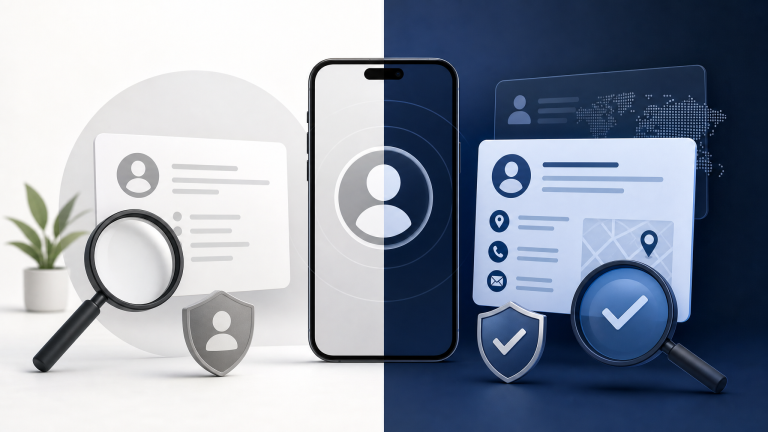
A reverse phone lookup service lets you enter a phone number and search for available information connected to it. Depending on the tool and data sources, results may include a caller name, business listing, general location, phone type, carrier, spam reports, or public records associated with the number.
These services are especially helpful when caller ID is blank, incomplete, or suspicious. They can also help you check whether a number has been reported by other users for telemarketing, robocalls, debt collection, phishing attempts, or impersonation scams.
How to choose a reliable reverse phone lookup tool
Choose a service that is transparent about its data, updates its records regularly, and clearly separates verified information from user-submitted reports. Be cautious with tools that promise guaranteed personal details for every number, because phone records are not always complete or publicly available.
- Clear caller details: Name, business identity, phone type, and possible location when available.
- Spam risk indicators: Reports from users, complaint volume, or scam likelihood scoring.
- Recent data: Updated records are important because phone numbers change owners.
- Privacy standards: A trustworthy lookup tool should handle searches responsibly and avoid misleading claims.
- Easy reporting: The ability to flag spam numbers helps other users identify unwanted callers.
For best results, compare the lookup result with other clues, such as voicemail content, call timing, and whether the caller’s story matches a known account or appointment.
Recommended Tools for Caller Identification
There are several types of caller identification tools, and each works a little differently. Some focus on live caller ID and spam blocking, while others are better for researching a number after a missed call. Using both can give you stronger protection.
| Tool Type | Best For | Useful Features |
|---|---|---|
| Reverse phone lookup websites | Checking who called after receiving a missed call | Name lookup, phone type, location hints, spam reports |
| Caller ID apps | Identifying calls in real time | Live caller labels, spam alerts, community reports |
| Built-in phone apps | Basic spam filtering and call screening | Silence unknown callers, block numbers, voicemail screening |
| Carrier call protection | Blocking network-level spam and scam calls | Scam warnings, automatic blocking, call filters |
Popular caller identification options may include reverse phone lookup websites, Truecaller, Hiya, the Google Phone app, Nomorobo, and call protection services from major mobile carriers. Availability and features vary by country, device, and plan.
The main benefit of these tools is verification. Instead of guessing whether a call was important, you can check the number, review reports, and decide whether to respond. This is especially useful for unknown mobile numbers, repeated missed calls, and numbers claiming to represent banks, delivery services, or government offices.
Understanding Spam and Scam Calls
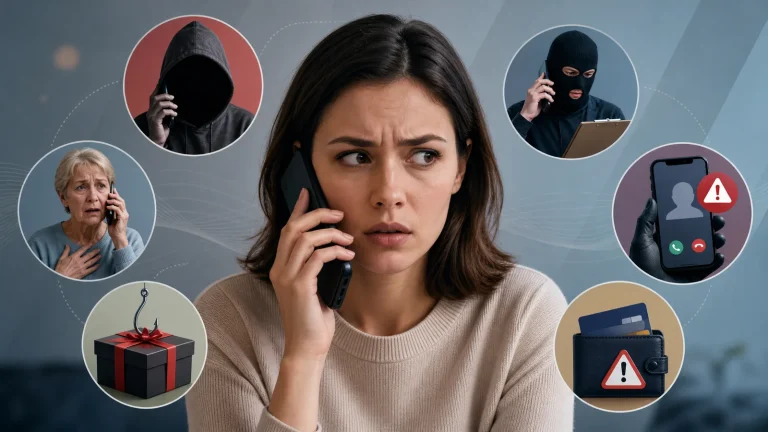
Spam calls are usually unwanted calls from telemarketers, robocall systems, or mass-dialing campaigns. Scam calls are more dangerous because the caller is trying to trick you into sending money, revealing sensitive information, or giving remote access to your accounts or devices.
Common warning signs include urgent threats, unexpected prizes, requests for gift cards or cryptocurrency, fake account problems, and pressure to verify personal information. A legitimate organization should not ask for your full Social Security number, banking password, one-time passcode, or payment details during an unexpected call.
- The caller demands immediate action or says you will be arrested, fined, or locked out of an account.
- The number appears local, but the caller cannot explain why they are contacting you.
- You hear a recorded message asking you to press a number to speak with an agent.
- The caller asks you not to hang up or not to contact the company directly.
- The offer sounds too good to be true, such as a prize you never entered to win.
Engaging with spam callers can lead to more calls because it confirms your number is active. If you suspect a scam, hang up and contact the organization through an official website, statement, app, or known customer service number.
You can report spam calls to your mobile carrier, the Federal Trade Commission in the United States, the FCC for unwanted robocalls, or the appropriate consumer protection agency in your country. Reporting helps authorities and carriers identify abusive calling patterns.
Caller Safety and Best Practices
Caller safety starts with slowing down. Scammers rely on urgency, confusion, and fear. If a call feels unexpected or pressured, take control by ending the conversation and verifying the number independently.
- Do not share passwords, PINs, verification codes, or banking details over an unsolicited call.
- Do not confirm personal information just because the caller already knows part of it.
- Use official contact details from a company’s website or app instead of calling back a suspicious number.
- Keep your phone’s operating system and call filtering tools updated.
- Register for applicable do-not-call lists where available.
- Teach family members, especially older adults and teens, how to recognize phone scams.
If you regularly receive unknown calls, consider using call screening, voicemail transcription, and a reverse phone lookup before responding. These steps reduce risk without causing you to miss legitimate calls.
What to Do When You Receive Suspicious Calls
If a call seems suspicious, avoid reacting immediately. A simple process can help you protect your information while still giving legitimate callers a chance to be identified.
Step-by-step response
- Do not provide information: Avoid sharing personal, financial, or account details.
- Let the caller explain: Ask who they are, what organization they represent, and why they are calling.
- End the call if pressured: Hang up if the caller becomes aggressive, urgent, or evasive.
- Check the number: Use call history, voicemail, search engines, and reverse phone lookup services.
- Contact the organization directly: Use an official phone number, not the number that called you.
- Block repeated spam: If the number is clearly unwanted, block it on your device.
- Report serious scams: Notify your carrier and relevant consumer protection authorities.
Documenting suspicious calls can also help if the issue continues. Save the date, time, phone number, caller name, claimed organization, and a short note about what was said. Screenshots of call logs and voicemails may be useful if you need to report harassment, fraud attempts, or repeated robocalls.
Conclusion
Identifying unknown callers is a practical way to protect your safety and peace of mind. By using caller ID carefully, checking your phone’s built-in tools, searching suspicious numbers, and using reverse phone lookup services, you can better understand who called you and decide whether to answer, call back, block, or report the number.
Stay cautious with unfamiliar callers, especially anyone asking for money, passwords, verification codes, or sensitive personal information. A few extra seconds of verification can prevent serious problems.
FAQ
What is a reverse phone lookup?
A reverse phone lookup is a service that allows you to enter a phone number and search for information about the caller, such as a possible name, address, phone type, carrier, or spam reports.
Are there free services available for checking who called me?
Yes, several free services provide basic reverse phone lookup information. Paid options may offer more detailed results, depending on the number and available records.
How can I protect myself from scam calls?
Be cautious about sharing personal information over the phone, use call blocking and spam filtering features, and report suspicious numbers to your carrier or consumer protection authorities.
What should I do if I receive a call from a spam number?
You can ignore the call, block the number, report it to your phone carrier, and use a reverse phone lookup service to gather more information before deciding whether any follow-up is needed.
Can Caller ID show false information?
Yes. Scammers often use caller ID spoofing to display false names or numbers, which is why it is wise to verify unknown callers through other methods before trusting the call.