Reverse Phone Lookup for Business Numbers: Your Ultimate Guide
Reverse Phone Lookup for Business Numbers helps companies identify unknown callers, verify business contacts, reduce spam, and make better decisions before returning a call or sharing information. For sales teams, customer support departments, operations managers, and small business owners, caller identification is no longer just a convenience; it is part of everyday communication security.
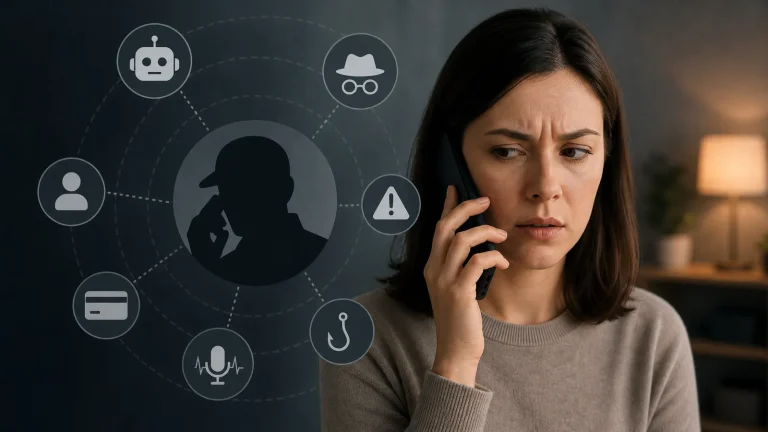
Unknown numbers can represent new customers, vendors, recruiters, delivery partners, or legitimate service providers. They can also be robocallers, impersonators, phishing attempts, or competitors scraping information. A reliable reverse phone lookup process gives your team context before they engage, helping them communicate professionally while protecting the business from unnecessary risk.
Understanding Reverse Phone Lookup for Businesses
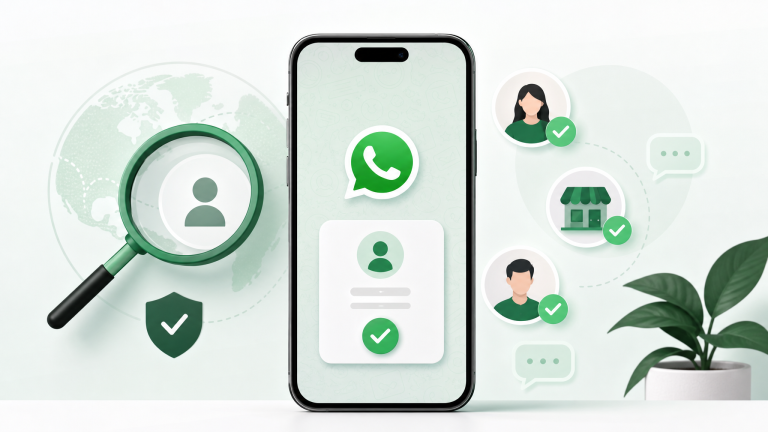
A reverse phone lookup is the process of entering a phone number into a lookup tool to find available information connected to that number. For business use, the goal is usually to identify the caller’s business name, location, line type, carrier, website, industry, or any public records associated with the number.
Unlike personal caller ID, business reverse lookup focuses on professional relevance. A company may need to know whether a missed call came from a client, a supplier, a lead, a local office, a call center, or a suspicious source. This is especially useful when caller ID displays only a number or a vague label such as “Unknown,” “Wireless Caller,” or a city name.
Caller identification matters in professional environments because every call can affect productivity, security, and customer experience. Answering every unknown call wastes time, but ignoring legitimate calls can cost revenue. Reverse lookup helps teams make a more informed choice.
Businesses often use reverse phone lookup to verify:
- whether a caller is connected to a real company;
- whether the number matches a known client, vendor, or partner;
- whether the phone number has been reported for spam or fraud;
- whether a caller’s location aligns with the information they provided;
- whether a missed call should be prioritized, blocked, or investigated further.
Common Reasons for Using Reverse Phone Lookup in Business
Businesses use reverse phone lookup for business numbers for both opportunity and risk management. The same tool that helps you avoid a scam call can also help you recover a missed sales inquiry or respond faster to an important client.
Identifying unknown business callers
Not every legitimate caller leaves a voicemail. A potential customer may call from a main office line, a mobile work phone, or a VoIP number. Looking up the number can help your team determine whether the call came from a real company and whether it deserves a prompt callback.
Preventing spam and potential threats
Spam calls interrupt work and can expose employees to social engineering. A caller may pretend to represent a bank, software provider, government agency, shipping company, or executive within your organization. Reverse lookup can reveal suspicious patterns, such as numbers frequently reported for robocalls, phishing, or spoofing.
Improving client relationships
Context improves communication. If your team knows that a number belongs to an existing customer, a regional branch, or a vendor account manager, they can respond with the right tone and urgency. This is especially valuable for customer support teams, sales representatives, account managers, and reception staff handling high call volumes.
How to Conduct a Reverse Phone Lookup for Business Numbers
A good lookup process should be quick, consistent, and easy for employees to follow. The goal is not only to identify a number, but also to decide what action to take next.
Step-by-step lookup process
- Copy the full phone number. Include the country code and area code when available, especially for international or VoIP calls.
- Enter the number into a reputable reverse phone lookup tool. Use a service that provides business-relevant data such as company name, location, line type, and spam reports.
- Review the available details. Check whether the number is tied to a business listing, public directory, carrier record, or user reports.
- Compare the result with your internal records. Search your CRM, help desk, billing system, vendor database, or email records for a match.
- Assess the risk level. A verified company number may be safe to return, while a heavily reported spam number should be blocked or escalated.
- Document the outcome. Add notes to your CRM or call management system so the next employee has context.
Methods and tools available
Businesses can conduct lookups using standalone phone lookup websites, CRM integrations, call center platforms, VoIP dashboards, caller ID apps, search engines, and public business directories. Larger organizations may use API-based phone intelligence tools to automatically screen inbound numbers before calls are routed to employees.
How to interpret lookup results
Not every result should be treated as final proof. A number may be reassigned, spoofed, or used by multiple departments within the same company. Look for consistency across multiple signals: business name, location, carrier type, web presence, spam complaints, and your own records. If the caller requests sensitive information, payment, credential changes, or urgent action, verify through an official contact method before responding.
Best Tools for Reverse Phone Lookup for Business Numbers
The best tool depends on your call volume, budget, industry, and security requirements. A small business may only need occasional manual searches, while a call center may need automated screening, spam scoring, CRM matching, and reporting.
| Tool Type | Best For | Typical Features | Pricing Model |
|---|---|---|---|
| Phone number lookup websites | Small businesses and occasional searches | Business name, location, line type, basic spam indicators | Free basic results or paid detailed reports |
| Caller ID and spam detection apps | Mobile teams and individual professionals | Real-time caller labels, spam warnings, blocking options | Free plans with optional premium features |
| CRM or help desk integrations | Sales, support, and account management teams | Contact matching, call notes, customer history, workflow automation | Included in software plans or add-on pricing |
| VoIP and call center platforms | High-volume inbound and outbound calling | Call routing, spam filtering, analytics, call recording, number reputation tools | Monthly subscription per user or line |
| Phone intelligence APIs | Enterprises and custom applications | Automated lookup, carrier data, validation, risk scoring, bulk processing | Usage-based or enterprise pricing |
How to choose the right option
If your business receives only a few unknown calls per week, a manual reverse lookup service may be enough. If your sales or support team handles dozens of calls per day, look for tools that integrate with your CRM or phone system. For financial services, healthcare, legal, logistics, and other higher-risk industries, prioritize accuracy, audit trails, access controls, and compliance-friendly data handling.
Before committing to a paid service, compare data coverage, update frequency, spam reporting quality, ease of use, export options, and customer support. The cheapest service is not always the best choice if it produces outdated or incomplete results.
Protecting Your Business from Spam and Scam Calls
Spam and scam calls are more than an annoyance. They can lead to financial loss, account compromise, data exposure, and employee distraction. Reverse lookup gives your team another layer of defense by helping them identify suspicious callers before trust is established.
Red flags in unsolicited business calls
- The caller pressures your staff to act immediately.
- The number does not match the official number listed on the company’s website.
- The caller asks for passwords, verification codes, bank details, or employee records.
- The call appears to come from a local number, but the caller claims to represent a distant organization.
- The number has multiple spam, robocall, or fraud complaints.
- The caller refuses to provide a callback number, email address, or official documentation.
Using reverse lookup as fraud prevention
A reverse phone lookup can help uncover mismatches between what the caller says and what public or internal records show. For example, if someone claims to be from a software vendor but the number is associated with unrelated spam reports, your team should pause and verify through the vendor’s official website or account portal.
Reporting and blocking malicious callers
Once a number is identified as suspicious, block it through your phone system, VoIP platform, or mobile device settings. Keep an internal list of known nuisance numbers and report scams to the appropriate telecom provider, platform, or government agency in your jurisdiction. For repeated attempts, document call times, caller claims, and any numbers used, as scammers often rotate caller IDs.
Maintaining Privacy and Security in Caller Identification
Reverse lookup should improve security without creating new privacy risks. Businesses should set clear rules for who can perform lookups, how results are stored, and how caller information may be used.
Best practices for safe lookup use
- Use reputable services with clear privacy policies and secure data handling.
- Limit access to employees who need lookup tools for their role.
- Avoid storing unnecessary personal data in shared notes or spreadsheets.
- Do not use lookup results for harassment, discrimination, or unauthorized profiling.
- Train employees to verify sensitive requests through official channels.
- Review vendor security practices before connecting lookup tools to your CRM or phone system.
Legal considerations
Reverse phone lookup is generally legal when used for legitimate business purposes, but privacy, data protection, telemarketing, and consumer protection laws vary by country and region. If your business operates in regulated industries or handles sensitive customer data, consult legal guidance before using caller information in automated decision-making, outreach, or recordkeeping.
Why reputable services matter
Low-quality lookup tools may provide outdated data, excessive ads, unclear sourcing, or weak security. A reputable provider should explain what type of information it offers, how it protects users, and whether paid reports include business-specific data. For companies, trustworthiness matters as much as convenience.
Case Studies: Successful Use of Reverse Phone Lookup in Business
The value of reverse lookup becomes clear when it is built into daily workflows. The following examples show how different teams can use caller identification to improve response quality and reduce risk.
Local service company recovers missed leads
A regional HVAC company received frequent missed calls during peak season. Many callers did not leave voicemails, and staff had trouble deciding which numbers to call back first. By using reverse phone lookup for business numbers and matching results against local business and residential indicators, the office team prioritized likely customer inquiries. The result was faster callbacks and fewer lost service opportunities.
B2B sales team filters low-quality calls
A software sales team was receiving repeated calls from numbers that claimed to represent potential enterprise buyers. After checking the numbers, several were linked to lead-generation spam and unrelated call centers. The team added lookup notes to its CRM and created a screening process for unknown callers. Sales representatives spent less time on unqualified calls and more time with verified prospects.
Accounting department avoids an impersonation attempt
An accounting employee received a call from someone claiming to be a vendor requesting urgent payment changes. A reverse lookup showed that the number did not match the vendor’s listed business lines and had recent scam reports. The employee contacted the vendor through the official number on file and confirmed the request was fraudulent. The company avoided sending payment to the wrong account.
In each case, the lookup did not replace human judgment. It gave employees enough context to slow down, verify details, and choose the safest next step.
Conclusion
Reverse phone lookup for business numbers is a practical tool for improving communication, verifying callers, and reducing exposure to spam and scams. Used consistently, it helps teams decide which calls deserve attention, which require verification, and which should be blocked.
The strongest approach combines reliable lookup tools, internal records, employee training, and clear privacy practices. With the right process in place, businesses can protect sensitive information while building more confident, informed relationships with clients, vendors, and partners.
Frequently Asked Questions
Can I use reverse phone lookup for personal phone numbers?
Yes, reverse phone lookup can be used for personal phone numbers, but this article focuses specifically on business applications.
What are the legal implications of using reverse phone lookup?
While generally legal, you should be aware of privacy laws in your jurisdiction regarding the collection, storage, and use of caller information.
How accurate are reverse phone lookup results?
Accuracy varies by service. Some tools provide basic public information, while others offer more comprehensive business data, spam reports, carrier details, and updated records.
Is reverse phone lookup free?
Many services offer basic information for free, but comprehensive details usually require a paid subscription or one-time report fee.
How can I protect my business from spam calls?
Use reverse lookup services to identify suspicious numbers, enable call-blocking features, train employees to recognize scam tactics, and report malicious callers when appropriate.