How to Identify a Scam Phone Call
With the rise of fraudulent activities through phone calls, it is crucial to know How to Identify a Scam Phone Call. This guide will help you recognize common scam tactics, practical tips for identifying unknown callers, and effective methods for protecting yourself from potential scams.
Understanding Scam Phone Calls
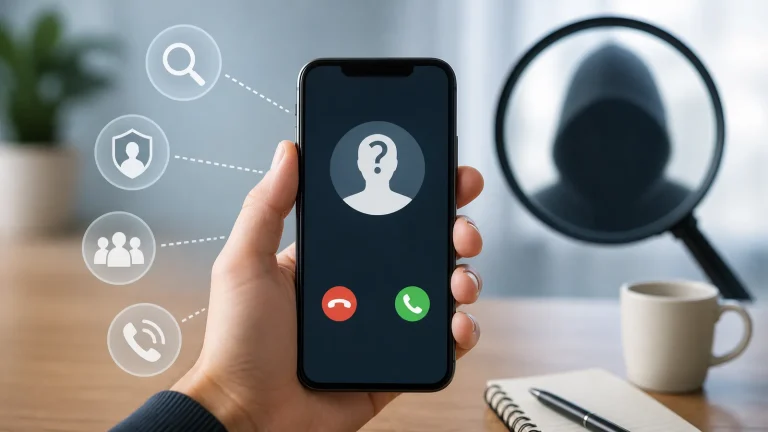
A scam phone call is any call designed to trick you into giving away money, personal information, account access, or security codes. These calls may come from real people, robocall systems, spoofed phone numbers, or overseas call centers pretending to represent trusted organizations.
Phone scams are common because they are cheap to run and easy to disguise. Scammers can make a number look local, imitate a bank or government agency, and pressure the recipient before they have time to think clearly.
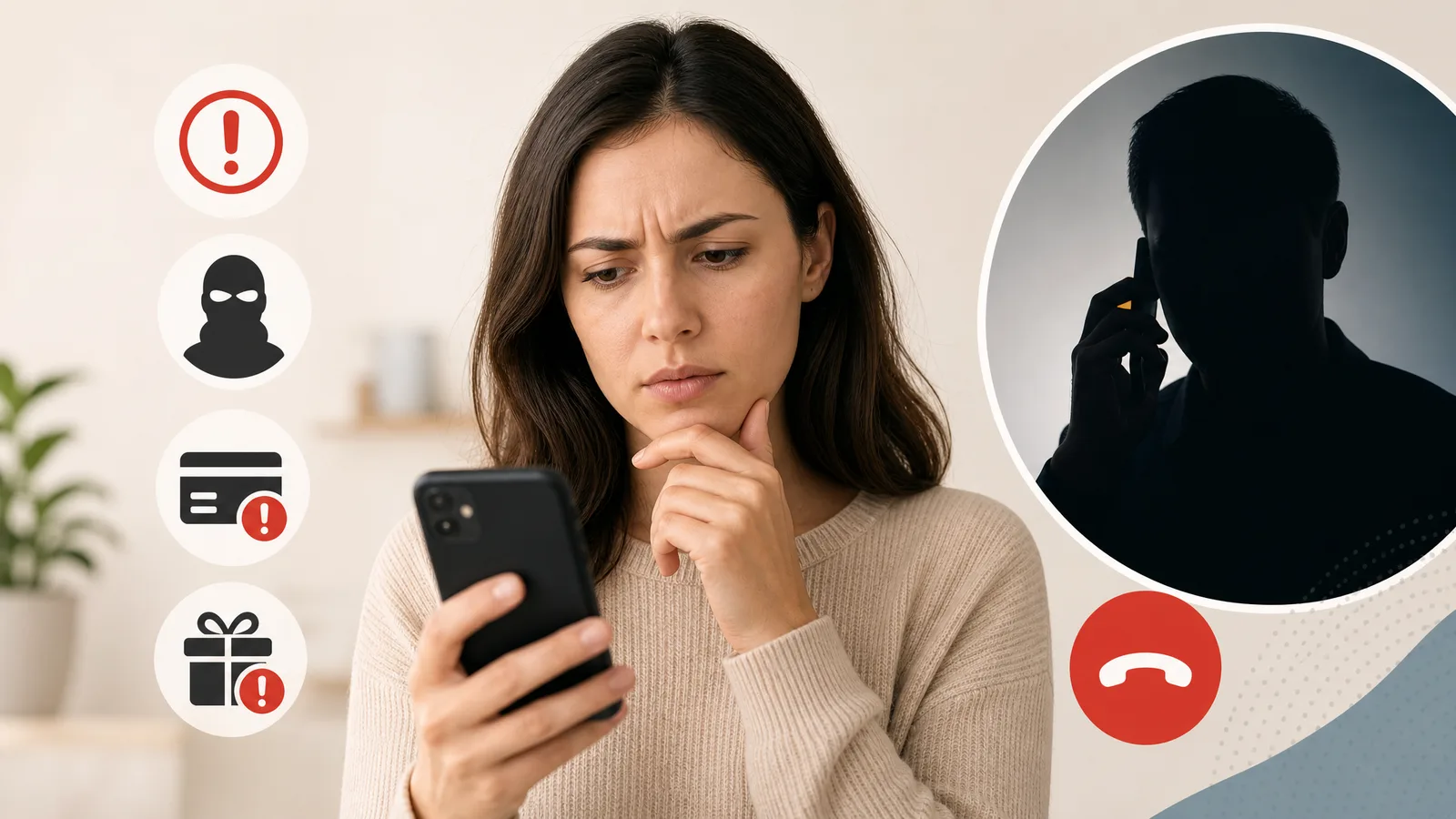
Common scam call tactics include:
- Urgency: The caller claims you must act immediately to avoid arrest, account closure, fines, or missed benefits.
- Fear: They threaten legal action, tax penalties, suspicious bank activity, or computer security problems.
- Rewards: You are told you won a prize, refund, grant, or special offer, but must pay a fee or verify details first.
- Authority impersonation: The caller pretends to be from the IRS, Social Security Administration, Medicare, a bank, a utility company, or tech support.
- Secrecy: They may tell you not to speak with family, your bank, or law enforcement.
Frequent types of scam calls include IRS scams, fake tech support calls, bank fraud alerts, warranty scams, debt collection fraud, Medicare scams, and package delivery scams. While the story changes, the goal is usually the same: get you to send money, reveal sensitive data, or give remote access to a device.
Signs of a Scam Call
Scam calls often share warning signs. One red flag may not prove a call is fraudulent, but several together should make you cautious.
- Unfamiliar caller ID or strange number: The number may be unknown, blocked, international, or similar to your own area code to appear local.
- Requests for personal information: Be suspicious if a caller asks for your Social Security number, bank account, credit card number, PIN, password, one-time passcode, or date of birth.
- Requests for unusual payments: Scammers often ask for gift cards, wire transfers, cryptocurrency, payment apps, or prepaid debit cards because these are hard to reverse.
- Poor language, background noise, or robotic voice: Bad audio, scripted speech, delays, call center noise, or a recorded voice can indicate a mass calling operation.
- Calls at odd hours: Calls late at night or early in the morning may be from automated systems, overseas operations, or callers ignoring telemarketing rules.
- Too-good-to-be-true offers: Free vacations, guaranteed loans, prize winnings, and instant debt relief are common hooks.
- Refusal to provide verifiable details: A legitimate caller should be able to tell you who they are, why they are calling, and how to verify the request through official channels.
One of the clearest signs of a scam call is pressure. Legitimate organizations rarely demand immediate payment over the phone or threaten you for asking to verify the call independently.
How to Verify Unknown Callers
If you receive a call from a number you do not recognize, take a few minutes to verify it before responding. Caller ID can be spoofed, so do not rely on the displayed name or number alone.
Use a reverse phone lookup service
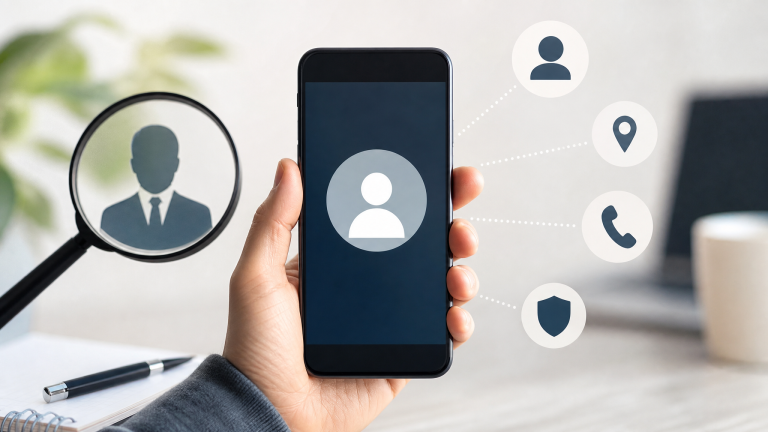
A reverse phone lookup can help you identify whether a number is associated with a person, business, location, spam reports, or previous complaints. This is especially useful when a caller leaves a vague voicemail or repeatedly calls without identifying themselves.
Check the area code and caller location
Area codes can offer clues, but they are not proof. Scammers often spoof local numbers to increase the chance you will answer. Still, if a caller claims to be from a local utility company but the number traces to another region or has multiple spam reports, treat it carefully.
Assess the company or organization
If the caller claims to represent a bank, government agency, delivery service, insurance provider, or tech company, verify the organization through an official website, statement, app, or customer service number. Do not use a phone number provided by the caller unless you can confirm it independently.
Best practices for caller verification
- Let unknown calls go to voicemail when possible.
- Search the phone number using a reputable phone number lookup tool.
- Compare the caller’s claims with official account notifications.
- Call the organization back using a verified number from its official website or your account documents.
- Never read back a one-time passcode to an incoming caller.
Steps to Take When You Receive a Suspicious Call
If a call feels wrong, pause before responding. Scammers want quick reactions, so slowing the conversation down protects you.
- Do not provide personal information. Avoid sharing your Social Security number, financial details, passwords, account numbers, or verification codes.
- Ask for the caller’s name and company details. Request the caller’s full name, department, phone number, website, and reason for calling. A scammer may become evasive or aggressive.
- Do not follow payment instructions. Hang up immediately if you are asked to pay by gift card, wire transfer, cryptocurrency, or payment app to resolve an urgent issue.
- Hang up and call back using an official number. Use a verified number from the company’s website, your bank card, a billing statement, or a government agency page.
- Report the call. Reporting helps authorities, phone carriers, and consumer safety organizations identify scam patterns.
If you already shared sensitive information, act quickly. Contact your bank, change affected passwords, enable multi-factor authentication, and consider placing a fraud alert or credit freeze with the major credit bureaus.
Best Tools for Detecting and Reporting Scam Calls
The best protection usually combines caller verification, call blocking, and reporting. No tool catches every scam, but using several layers makes it harder for fraudulent callers to reach you.
| Tool Type | How It Helps | Best Use |
|---|---|---|
| Reverse phone lookup services | Show possible caller identity, location, carrier data, and spam reports | Checking unknown numbers before calling back |
| Caller ID and spam detection apps | Flag likely spam, robocalls, and reported scam numbers | Screening calls in real time |
| Built-in phone blocking features | Block specific numbers or silence unknown callers | Reducing repeat calls from unwanted numbers |
| Carrier call protection tools | Identify, label, or block suspicious calls at the network level | Adding protection before calls reach your phone |
| Government reporting portals | Help agencies track fraud trends and enforcement targets | Reporting scam attempts and illegal robocalls |
Recommended options include reverse phone lookup websites, your mobile carrier’s spam protection service, and call blocking apps such as Truecaller, Hiya, RoboKiller, or Nomorobo. Availability and features vary by device and region, so choose tools that match your privacy preferences and call volume.
Consumer safety organizations and agencies such as the Federal Trade Commission and Federal Communications Commission use reports to identify patterns, warn the public, and take action against illegal robocall operations. User reports also improve spam databases, helping call blocking tools recognize emerging scam numbers faster.
Legal Protections Against Scam Calls
Several laws and regulations protect consumers from abusive robocalls, deceptive telemarketing, and unwanted sales calls. In the United States, the Telephone Consumer Protection Act, often called the TCPA, restricts certain automated calls, prerecorded messages, and unsolicited texts.
You also have rights related to telemarketing calls. For example, legitimate telemarketers must follow calling hour limits, identify themselves, honor opt-out requests, and avoid calling numbers listed on the National Do Not Call Registry unless an exception applies.
Scammers often ignore the law, but filing complaints still matters. You can report suspicious or illegal calls to:
- The Federal Trade Commission at ReportFraud.ftc.gov
- The Federal Communications Commission for unwanted calls and spoofing complaints
- Your state attorney general’s office
- Your phone carrier’s spam reporting system
- Local law enforcement if you lost money or were threatened
If a scammer impersonates a specific agency or business, report it directly to that organization as well. Many banks, delivery companies, and government agencies maintain fraud reporting pages for impersonation scams.
Tips for Avoiding Scam Calls in the Future
You may not be able to prevent every unwanted call, but you can reduce exposure and make your number less useful to scammers.
- Register with the National Do Not Call Registry. This will not stop criminals, but it can reduce legitimate telemarketing calls and make suspicious calls easier to spot.
- Limit where you share your phone number. Avoid posting it publicly, and be cautious with online forms, giveaways, surveys, and unfamiliar websites.
- Use a secondary number when needed. A separate number for sign-ups, online marketplaces, or temporary services can protect your main phone number.
- Do not answer unknown calls automatically. Let them go to voicemail. A legitimate caller will usually leave a message.
- Block and report repeat offenders. Blocking helps your device, while reporting helps broader scam detection systems.
- Educate family and friends. Older adults, teenagers, and anyone under stress may be more vulnerable to urgent or threatening calls.
Make verification a habit. If a caller claims there is a problem with your account, hang up and check through the official app, website, or customer service line.
Identifying scam phone calls is essential for protecting your personal information and financial well-being. By understanding the signs, verifying unknown callers, and using available tools, you can defend against scams effectively.
Frequently Asked Questions
What should I do if I answered a scam call?
If you answered a scam call, do not provide any personal information. Hang up and report the call to the authorities. If you shared financial details, contact your bank or card issuer right away.
How can I block scam calls on my phone?
You can block scam calls by using built-in phone features, blocking specific phone numbers, or downloading third-party call blocking apps. Many mobile carriers also offer spam call detection and blocking tools.
Are all unknown callers scams?
Not all unknown callers are scams, but it’s important to be cautious. Always verify unknown numbers before sharing any personal information, sending money, or clicking links sent by text after a call.
What are some common scam call tactics?
Common scam tactics include creating a sense of urgency, offering prizes or money, and posing as legitimate organizations. Scammers may also threaten arrest, claim your account is compromised, or ask for payment through gift cards or cryptocurrency.
Can spam calling be stopped?
While it’s challenging to stop all spam calls, registering with the Do Not Call Registry and using call blocking tools can significantly reduce them. Reporting suspicious calls also helps carriers and consumer protection agencies track scam activity.